 EN

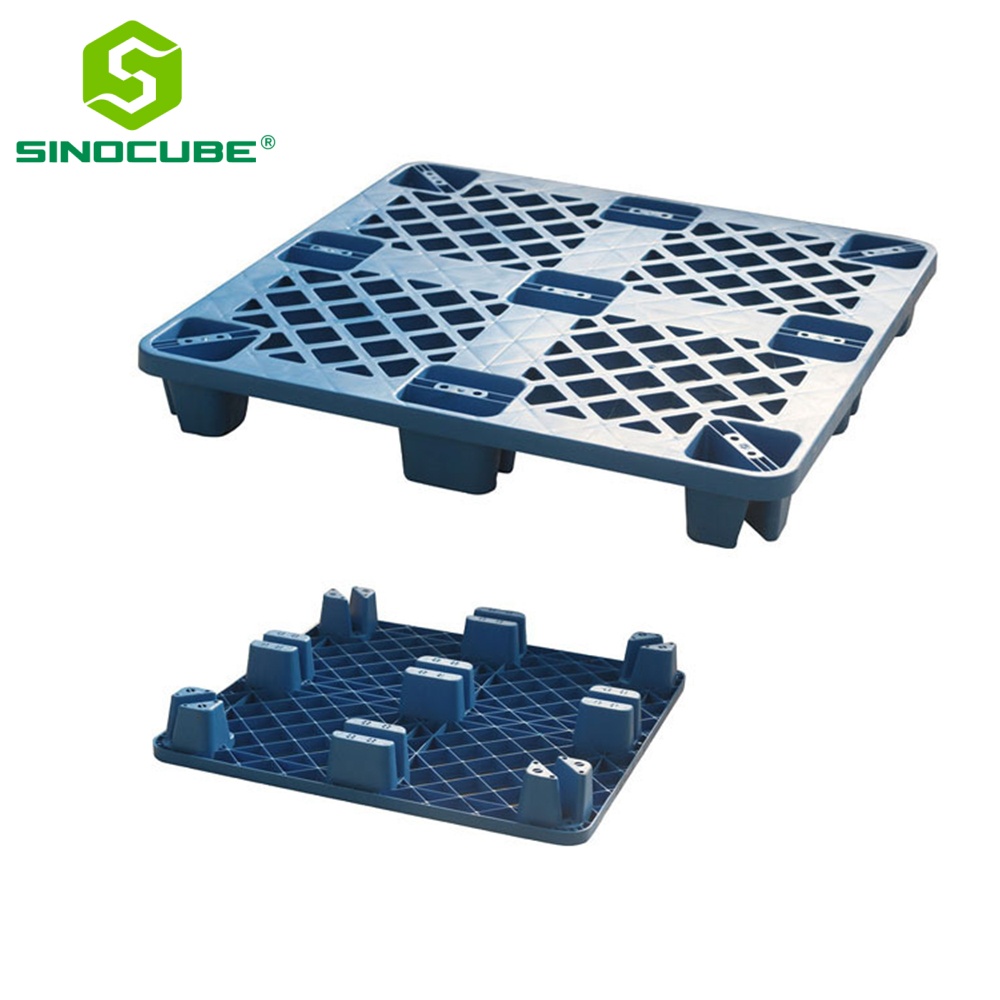
Rackable pallets have become essential infrastructure in modern automated warehouses, driving efficiency gains across multiple industrial sectors. Unlike standard pallets, rackable pallets are engineered to support heavy loads while integrating seamlessly with vertical racking systems, enabling businesses to maximize storage density and streamline material handling workflows. Understanding which industries benefit most from rackable pallets helps operations managers make informed decisions about warehouse infrastructure investments.

The adoption of rackable pallets directly correlates with warehouse automation maturity and operational scale. Industries managing high-volume inventory, frequent order cycles, and space constraints derive the greatest advantage from rackable pallets. The structural integrity, compatibility with automated systems, and space efficiency of rackable pallets make them a strategic choice for businesses aiming to reduce operational costs while improving throughput and customer service levels.
Pharmaceutical and Healthcare Distribution
Cold Chain and Storage Precision
The pharmaceutical and healthcare industry stands as one of the primary beneficiaries of rackable pallets in automated warehouses. Temperature-controlled storage requirements demand infrastructure that ensures product stability and traceability throughout the supply chain. Rackable pallets support pharmaceutical companies in organizing medications, vaccines, and medical devices within climate-controlled vertical racking systems. The precision offered by rackable pallets reduces product damage, minimizes temperature exposure time, and streamlines compliance documentation, which are critical regulatory requirements in healthcare logistics.
Regulatory Compliance and Tracking
Healthcare facilities and pharmaceutical distributors rely on rackable pallets to maintain detailed inventory records and ensure regulatory adherence. When rackable pallets integrate with automated warehouse management systems, they enable real-time tracking of lot numbers, expiration dates, and batch codes. This integration supports FDA compliance, traceability audits, and rapid recall procedures. Rackable pallets facilitate organized pallet placement within climate-controlled zones, reducing the risk of product degradation and ensuring that time-sensitive shipments reach hospitals and clinics within required delivery windows.
Food and Beverage Manufacturing
High-Volume Production Efficiency
Food and beverage manufacturers process enormous quantities of raw materials and finished goods daily, making rackable pallets indispensable for warehouse operations. Rackable pallets support the vertical organization of goods within automated retrieval systems, dramatically increasing storage capacity without expanding facility footprints. Beverage distributors, frozen food manufacturers, and snack producers leverage rackable pallets to manage seasonal demand surges, coordinate just-in-time delivery schedules, and maintain fast inventory turnover rates. The durability of modern rackable pallets withstands exposure to moisture, temperature fluctuations, and frequent mechanical handling inherent in food production environments.
Safety and Sanitation Standards
Food safety regulations mandate strict cleanliness and traceability protocols that rackable pallets help maintain. Plastic rackable pallets resist contamination, resist bacterial growth, and can be sanitized without material degradation. Rackable pallets simplify pallet inspection procedures, reduce cross-contamination risks, and support HACCP compliance frameworks. Automated warehouses utilizing rackable pallets minimize human contact with food products, decrease contamination touchpoints, and accelerate order fulfillment cycles—critical advantages for maintaining food safety certifications and meeting retailer quality standards.
E-Commerce and Retail Distribution
Order Velocity and Fulfillment Speed
E-commerce companies and large retail distribution networks depend on rackable pallets to manage exponential order volumes and rapid fulfillment cycles. Rackable pallets enable automated pick-and-pack operations by organizing goods into accessible storage locations within vertical racking systems. Fast-growing e-commerce providers utilize rackable pallets to accommodate seasonal peaks, implement dynamic inventory management, and reduce order-to-delivery timeframes. The compatibility of rackable pallets with robotic picking systems and conveyor networks accelerates throughput, allowing fulfillment centers to process thousands of orders daily while maintaining accuracy rates above 99 percent.
Space Utilization and Cost Reduction
Retail distribution centers operate under intense pressure to maximize return on facility investment. Rackable pallets enable vertical expansion of storage capacity, reducing per-unit storage costs and extending facility operational life without construction expansion. Warehouses employing rackable pallets achieve storage density improvements of 30 to 50 percent compared to floor-stacking methods. For e-commerce operators managing diverse product categories with varying seasonal demand, rackable pallets provide flexible infrastructure that adapts to shifting inventory mix without requiring facility modifications. The labor cost savings from reduced manual handling and travel distance within automated systems significantly improve profitability margins across distribution networks.
Automotive Parts and Component Distribution
Just-in-Time Supply Chain Coordination
Automotive manufacturers and tier-one suppliers maintain lean inventories coordinated through just-in-time logistics that depend critically on rackable pallets. Rackable pallets organize automotive components, sub-assemblies, and replacement parts within automated warehouses that serve multiple assembly plants. Precise inventory organization enabled by rackable pallets supports production scheduling accuracy, prevents line stoppages, and reduces carrying costs associated with excess inventory. Automotive logistics networks leverage rackable pallets to implement cross-dock operations, consolidate shipments, and coordinate complex multi-stop delivery routes that feed automotive manufacturing centers efficiently.
Quality Control and Component Traceability
Quality assurance in automotive supply chains requires absolute traceability from component manufacture through final vehicle assembly. Rackable pallets facilitate barcode scanning, RFID integration, and automated verification procedures that ensure only approved, properly tested components advance through the supply chain. The organized pallet placement supported by rackable pallets enables rapid inspection, quarantine of suspect batches, and coordinated recalls when quality issues emerge. Automotive suppliers utilizing rackable pallets within automated warehouses maintain supplier scorecards showing superior on-time delivery, reduced damage rates, and improved quality metrics that differentiate them competitively.
Chemical Manufacturing and Distribution
Safety Protocols and Hazardous Material Handling
Chemical manufacturers and specialty material distributors operate under strict regulatory frameworks that rackable pallets help support. Rackable pallets organize hazardous materials, corrosive substances, and reactive chemicals within designated storage zones that maintain proper separation and containment. Automated warehouses utilizing rackable pallets reduce human exposure to dangerous materials, minimize spill risks through careful stacking height control, and accelerate emergency response procedures if incidents occur. Rackable pallets manufactured from chemical-resistant materials prevent degradation, ensure stable product storage, and support compliance with OSHA, EPA, and transportation safety regulations.
Regulatory Documentation and Environmental Compliance
Chemical supply chains demand extensive documentation, safety data sheet management, and environmental tracking that rackable pallets facilitate through automated warehouse integration. Rackable pallets enable precise inventory accounting for regulated substances, support accurate shipping documentation, and maintain records required for environmental compliance audits. Distributors of specialty chemicals and raw materials rely on rackable pallets to organize inventory by regulatory classification, expiration timeline, and hazard category. Automated systems reduce documentation errors, accelerate batch release procedures, and provide auditable records supporting regulatory compliance demonstrations.
Electronics and Technology Manufacturing
Static Control and Component Protection
Electronics manufacturers and technology distributors protect sensitive components through sophisticated material handling procedures where rackable pallets play a protective role. Rackable pallets designed for electronics applications incorporate static-dissipative properties, reducing electrostatic discharge risks that damage circuit boards, semiconductors, and sensitive assemblies. Rackable pallets organize high-value components within temperature-controlled automated warehouses, minimizing exposure to humidity fluctuations, dust, and environmental contaminants. Technology companies employing rackable pallets achieve defect reduction, decrease in-transit damage claims, and improved product reliability metrics that strengthen customer relationships and warranty cost management.
Inventory Accuracy and Supply Chain Visibility
Electronics supply chains require exceptional inventory accuracy and real-time visibility given component prices and rapid technological obsolescence. Rackable pallets integrated with warehouse management systems provide automated location tracking, cycle counting efficiency, and rapid stock verification capabilities. Technology manufacturers leverage rackable pallets to implement vendor-managed inventory programs, support direct-ship operations, and maintain component availability despite short product lifecycles. Rackable pallets enable rapid reconfiguration of storage assignments, support frequent inventory audits, and facilitate technology upgrades that keep warehouse systems aligned with evolving business requirements.
Aerospace and Defense Manufacturing
Quality Assurance and Traceability Demands
Aerospace and defense contractors operate under stringent quality and traceability requirements where rackable pallets support compliance with rigorous specifications. Rackable pallets organize aircraft components, engine parts, and defense equipment within secure facilities meeting facility security clearance standards. Each component stored on rackable pallets maintains complete chain-of-custody documentation, enabling comprehensive supply chain audits and regulatory compliance demonstrations. Rackable pallets facilitate secure storage organization, support rapid component retrieval for specific aircraft builds, and enable efficient supply chain coordination across multiple manufacturing facilities and subcontractors.
Complex Inventory Management
Aerospace supply chains manage thousands of unique components, specialized materials, and long-lead-time items requiring sophisticated inventory organization that rackable pallets enable. Rackable pallets support first-in-first-out rotation, prevent shelf-life material obsolescence, and organize components by aircraft model, build configuration, and delivery timeline. Automated warehouses utilizing rackable pallets accelerate build-to-order operations, reduce inventory carrying costs for specialized components, and improve cash flow management across extended production cycles typical in aerospace manufacturing.
FAQ
What specific features make rackable pallets suitable for automated warehouse operations?
Rackable pallets feature reinforced structural designs, defined footprint dimensions, and load-bearing capacities engineered for vertical racking systems. These pallets incorporate anti-slip surfaces, stable deck designs, and compatible dimensions that integrate seamlessly with automated retrieval equipment, conveyor systems, and warehouse management software. Rackable pallets support dynamic inventory management, enable rapid pallet identification through barcode or RFID integration, and maintain product protection throughout automated handling cycles.
How do rackable pallets compare to standard pallets in terms of warehouse efficiency?
Rackable pallets enable vertical storage expansion that increases warehouse density 30 to 50 percent compared to traditional floor stacking methods. Rackable pallets reduce travel distances for picking operations, minimize manual handling labor, and accelerate inventory turnover cycles. The precision organization supported by rackable pallets improves order accuracy, decreases fulfillment cycle times, and reduces operational costs across warehousing, material handling, and logistics functions significantly.
Which industries face the greatest challenges that rackable pallets address most effectively?
Industries managing high-volume inventory, strict regulatory compliance, temperature-sensitive products, or rapid order cycles—such as pharmaceuticals, food and beverage, e-commerce, automotive, and electronics—gain the most substantial benefits from rackable pallets. Rackable pallets address space constraints, enable regulatory compliance documentation, support traceability requirements, and accelerate fulfillment operations that define competitive advantage in these demanding market segments.