 EN

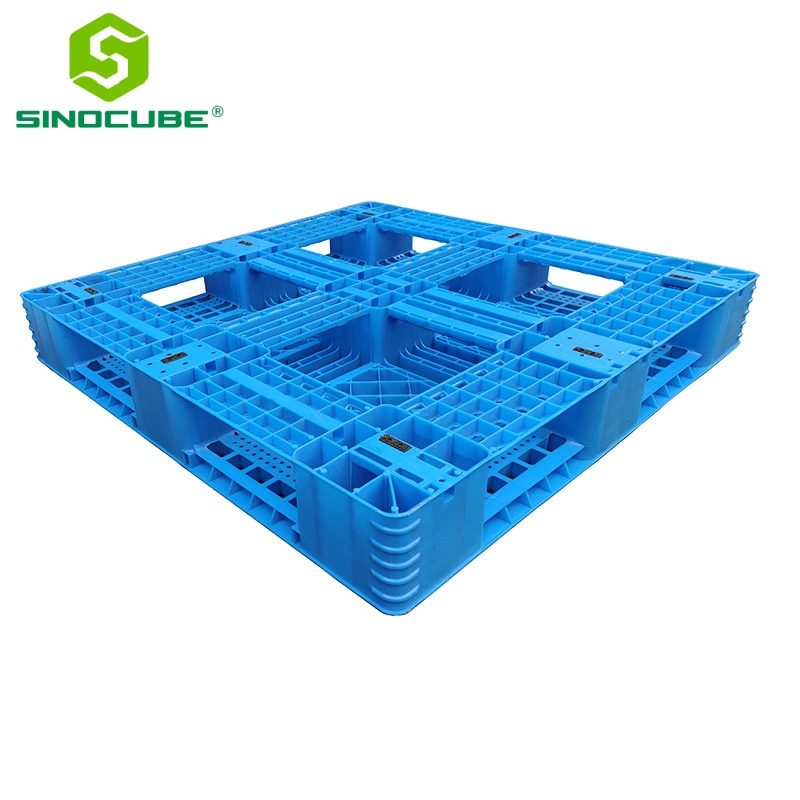
Rackable pallets have become a cornerstone of efficient warehouse operations across industries. Organizations managing high-volume inventory recognize that selecting the right rackable pallets directly impacts their storage capacity, operational safety, and bottom-line profitability. The importance of rackable pallets extends far beyond simple material handling; these specialized platforms enable warehouses to maximize vertical space utilization while maintaining strict safety standards. Understanding why rackable pallets matter helps warehouse managers make informed decisions about their storage infrastructure and long-term operational strategy.

Modern warehouses operate under intense pressure to do more with less space. Rackable pallets address this challenge by providing a stable, load-bearing foundation that integrates seamlessly with industrial racking systems. Unlike standard pallets, rackable pallets are engineered with reinforced structures and specific dimensional standards that allow them to distribute weight evenly across rack supports. This engineering distinction transforms how warehouses utilize their vertical footprint and manage inventory density, making rackable pallets a critical investment for any facility seeking competitive advantage in today's logistics landscape.
Maximizing Storage Density Through Rackable Pallets
Vertical Space Optimization
Rackable pallets unlock the full potential of vertical warehouse space. When properly integrated with racking systems, rackable pallets allow facilities to stack inventory much higher than traditional floor storage methods permit. This vertical stacking capability directly translates to increased storage density without expanding the warehouse footprint. Many facilities discover that converting to rackable pallets increases their effective storage capacity by thirty to fifty percent, depending on ceiling height and racking configuration. The financial implications are significant: more inventory stored in the same square footage means reduced real estate costs and improved return on facility investment.
Load Distribution Efficiency
The structural integrity of rackable pallets ensures proper load distribution across multiple support points. Standard pallets may concentrate weight unevenly, creating stress points that compromise safety and product integrity. Rackable pallets feature reinforced decks and cross-members designed specifically to distribute loads uniformly across rack beams. This engineering prevents product damage, reduces deformation, and extends pallet lifespan significantly. Warehouses using high-quality rackable pallets report fewer damage incidents and lower inventory loss rates, which contributes substantially to operational cost reduction and improved profitability metrics.
Safety and Compliance Benefits of Rackable Pallets
Structural Stability Requirements
Safety represents a non-negotiable priority in warehouse operations, and rackable pallets play a central role in maintaining safe storage conditions. Rackable pallets must meet rigorous structural requirements to support the weight of loaded inventory at height. The frame design, material composition, and load capacity specifications of rackable pallets are engineered to prevent collapse or shifting during storage and retrieval operations. Warehouse managers who invest in certified rackable pallets reduce the risk of product loss, employee injury, and potential liability claims. Industry safety standards consistently emphasize the critical importance of using rackable pallets in elevated racking systems rather than adapting non-compliant alternatives.
Regulatory Compliance and Standards
Regulatory agencies and industry associations establish specific guidelines for rackable pallets to ensure warehouse safety. These standards define dimensions, weight capacity, material durability, and performance metrics that rackable pallets must satisfy. Facilities that prioritize compliant rackable pallets demonstrate their commitment to workplace safety and reduce exposure to regulatory penalties. Third-party certifications and performance testing validate that rackable pallets meet applicable standards for your specific industry and storage environment. Many insurance providers offer improved coverage rates for warehouses demonstrating consistent use of properly certified rackable pallets, recognizing the reduced risk profile these solutions provide.
Operational Efficiency and Cost Reduction
Inventory Management Optimization
Rackable pallets streamline inventory management by enabling consistent, predictable storage configurations. Because rackable pallets maintain uniform dimensions and load characteristics, warehouse management systems can accurately forecast storage requirements and optimize picking routes. Staff training becomes more straightforward when all stored inventory utilizes the same pallet type, reducing operational confusion and accelerating throughput. Rackable pallets support barcode systems, weight tracking, and automated inventory software integration more reliably than mixed pallet types. The result is improved inventory accuracy, faster order fulfillment, and reduced labor hours per item processed.
Long-Term Economic Value
While rackable pallets may cost more initially than basic pallets, their total cost of ownership typically proves significantly lower over extended periods. Rackable pallets resist damage, deformation, and deterioration better than standard alternatives, extending service life and reducing replacement frequency. The improved storage density achieved through rackable pallets reduces the facility square footage needed to store the same inventory volume. Lower damage rates mean fewer product replacements and reduced waste. For organizations processing thousands of pallets annually, these cumulative benefits create substantial financial impact. Many facilities discover that switching to rackable pallets pays for itself within twelve to eighteen months through operational savings alone.
Implementation and Selection Considerations
Matching Pallets to Racking Systems
Effective implementation of rackable pallets requires careful alignment with your specific racking system configuration. Different racking designs demand rackable pallets with corresponding dimensional specifications and load characteristics. Selecting the wrong rackable pallets can create stability issues and compromise safety despite using compliant equipment. Warehouse design professionals should evaluate your current or planned racking systems to determine the ideal rackable pallet specifications. Standardizing on one primary rackable pallet type simplifies procurement, training, and equipment maintenance while maximizing the benefits these solutions provide.
Quality Assurance and Material Selection
Material quality fundamentally influences rackable pallet performance and longevity. Plastic rackable pallets offer superior chemical resistance and hygiene advantages for food and pharmaceutical applications, while steel-reinforced rackable pallets provide maximum durability for heavy industrial use. Wooden rackable pallets balance cost and functionality but require more frequent inspection. Evaluating your specific operational environment, product characteristics, and throughput requirements ensures you select rackable pallets optimized for your situation. Regular inspection and maintenance of rackable pallets throughout their service life preserves their structural integrity and maximizes safety and efficiency benefits.
FAQ
What makes rackable pallets different from standard pallets?
Rackable pallets feature reinforced structural design engineered to distribute weight evenly across multiple support points when placed in elevated racking systems. Standard pallets lack this reinforcement and may deform or create unsafe conditions when stacked at height. Rackable pallets meet specific dimensional and load capacity standards that ensure compatibility with industrial racking systems, whereas standard pallets prioritize basic ground-level material handling. The structural superiority of rackable pallets makes them essential for vertical storage operations where safety and load stability are paramount concerns.
How do rackable pallets improve warehouse efficiency?
Rackable pallets enable warehouses to maximize vertical storage space, increasing inventory capacity without expanding facility footprint. The consistent dimensions and performance characteristics of rackable pallets simplify inventory management, staff training, and system integration. Reduced damage rates and longer service life lower operational costs and replacement frequency. Improved load stability reduces safety incidents and associated downtime. By enabling higher-density storage and more reliable operations, rackable pallets directly enhance warehouse throughput and profitability while supporting employee safety and operational reliability.
Are there industry standards for rackable pallets?
Yes, industry organizations establish comprehensive standards for rackable pallets addressing dimensions, material composition, load capacity, and performance requirements. Standards like those from the Rack Manufacturers Institute and other regulatory bodies define specifications that rackable pallets must satisfy for safe elevated storage. Many facilities require rackable pallets to carry third-party certifications confirming compliance with applicable standards. These standards exist to protect worker safety, prevent product loss, and ensure predictable performance across diverse warehouse environments. Selecting certified rackable pallets that meet recognized standards provides confidence in safety and regulatory compliance.