 EN

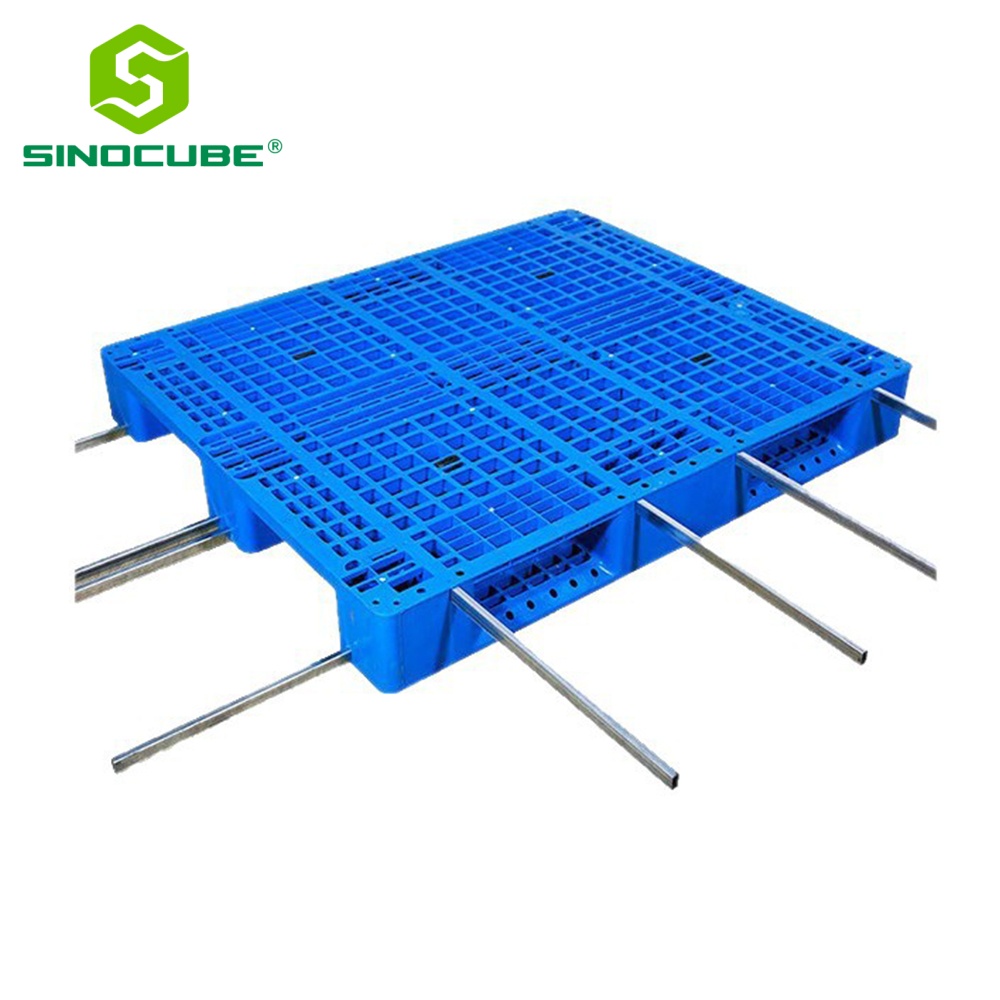
Warehouse storage capacity is a critical factor in supply chain efficiency, and the choice of rackable pallets plays a fundamental role in determining how effectively you can utilize your facility. Rackable pallets are specifically designed to work seamlessly within vertical racking systems, enabling warehouses to stack inventory higher and access materials more efficiently. By selecting the right rackable pallets, facility managers can dramatically improve storage density while maintaining safety and operational performance.

The architecture of modern warehouses demands intelligent solutions that balance cost, space, and productivity. Rackable pallets represent one of the most effective investments in achieving high-density storage without compromising structural integrity or operational safety. Understanding how rackable pallets enhance warehouse capacity requires examining their design features, compatibility with existing racking infrastructure, and the measurable performance gains they deliver across different facility types.
Design Features of Rackable Pallets for Maximum Density
Structural Load-Bearing Capacity
Rackable pallets are engineered with reinforced frames and optimized weight distribution to support substantial loads within vertical racking systems. The structural integrity of rackable pallets directly influences how many units you can safely stack within your warehouse environment. Premium rackable pallets feature multiple support points and rigid construction that prevents deflection under load, which is essential when stacking multiple pallets vertically in high-density configurations. This load-bearing capacity allows warehouses to maximize vertical space without requiring expensive facility modifications or additional floor space expansion.
Runner Design and Beam Compatibility
The runner configuration of rackable pallets determines how efficiently they interface with warehouse racking beams. Rackable pallets with properly spaced runners align precisely with standard pallet racking systems, ensuring stable load placement and minimizing wasted vertical space. The design of rackable pallets allows uniform weight distribution across beam supports, reducing the risk of stress concentration that could compromise racking integrity. Many high-capacity warehouses select rackable pallets based on their specific runner patterns, which directly influence how densely inventory can be organized within the available racking framework.
Storage Capacity Optimization Through Rackable Pallets
Vertical Space Utilization Efficiency
Implementing rackable pallets transforms how warehouses calculate and maximize their usable cubic footage. When facilities deploy rackable pallets throughout their storage infrastructure, they can increase the number of inventory positions per bay without expanding physical footprint. Rackable pallets enable more items to be stored in the same floor area by enabling higher and safer stacking within racking systems. This vertical efficiency reduces the per-unit storage cost and improves inventory turnover rates, making rackable pallets an economically sound investment for high-volume operations.
Aisle Space Reduction and Accessibility
The standardized dimensions of quality rackable pallets allow warehouse managers to optimize aisle layouts and reduce non-productive floor space. Rackable pallets that conform to industry standards integrate seamlessly with existing racking configurations, eliminating the need for custom modifications that consume budget and time. By implementing consistent rackable pallets across all storage zones, warehouses can maintain efficient picking routes while maximizing the percentage of floor space dedicated to actual inventory storage. This spatial optimization is particularly valuable in facilities operating under tight square-footage constraints or high-growth demand scenarios.
Performance Benefits and Operational Advantages
Safety and Compliance Enhancement
Proper rackable pallets significantly reduce the risk of load collapse, shifting, or damage within warehouse racking systems. Rackable pallets that meet recognized structural standards provide consistent support for inventory and equipment, protecting both merchandise and personnel. When rackable pallets are paired with appropriately designed racking beams and load limits, the entire storage system operates within safe operating parameters, reducing liability exposure and regulatory compliance challenges. Investing in quality rackable pallets demonstrates a commitment to warehouse safety culture and operational excellence.
Inventory Management and Accessibility
The consistent design of rackable pallets streamlines inventory management by enabling reliable product rotation and faster retrieval cycles. Standardized rackable pallets simplify the training process for warehouse staff and reduce errors associated with manual handling. The predictable dimensions and weight ratings of rackable pallets allow for accurate load planning and reduce the time required to identify and retrieve stored items. These operational advantages translate into faster order fulfillment, reduced handling costs, and improved customer satisfaction metrics.
Implementation Strategies for High-Density Racking
Assessing Current Racking Infrastructure
Before deploying rackable pallets throughout a warehouse, facility managers must evaluate the existing racking system to ensure compatibility and determine optimal placement strategies. Rackable pallets must match the beam spacing and load ratings of your current infrastructure to prevent misalignment or safety issues. Conducting a thorough assessment of racking components helps identify which storage zones benefit most from upgraded rackable pallets and where existing inventory platforms can be retained cost-effectively. This strategic evaluation ensures that rackable pallets are deployed where they generate the highest storage capacity improvements.
Gradual Implementation and Performance Monitoring
Many warehouses implement rackable pallets gradually, starting with high-volume storage zones and progressively expanding deployment across additional facility areas. Rackable pallets installed in pilot zones allow warehouse teams to measure capacity gains, assess staff adaptation, and refine handling procedures before full-scale rollout. Monitoring performance metrics such as storage density, retrieval speed, and system reliability provides concrete data about how rackable pallets impact warehouse operations. This measured approach minimizes disruption while generating real-world evidence to support expansion investments in additional rackable pallets.
FAQ
What is the typical weight capacity of rackable pallets used in high-density warehouse systems?
Most commercial rackable pallets are designed to support loads between 1000 and 2000 pounds per individual pallet placement, though specific weight ratings depend on material construction, runner design, and the supporting racking system specifications. Rackable pallets made from reinforced plastic or steel typically offer higher capacity than wood alternatives. The total system weight capacity depends on beam strength, racking height, and how multiple rackable pallets are stacked or arranged vertically within the warehouse infrastructure.
How do rackable pallets compare to standard floor-stacking pallets in terms of storage efficiency?
Rackable pallets enable vertical stacking within beam supports, allowing warehouses to achieve 3-4 times greater storage density compared to floor-level storage arrangements using standard pallets. Rackable pallets eliminate wasted horizontal space by utilizing the full vertical height of warehouse structures, whereas standard pallets typically cannot be safely stacked multiple levels high without specialized equipment or structural modifications. For high-density facilities, investing in rackable pallets often reduces required facility space by 50% or more compared to conventional single-level storage methods.
Are rackable pallets compatible with different types of warehouse racking systems?
Rackable pallets are designed to work with standard pallet racking systems, though specific compatibility depends on the runner configuration and beam spacing of your particular racking setup. Most commercial rackable pallets conform to industry standard dimensions that align with conventional racking beams, but warehouses should verify runner patterns and load ratings before purchasing. Custom or legacy racking systems may require evaluation to ensure that new rackable pallets integrate properly without modifications.