 EN


Plastic pallets have become the industry standard for modern logistics operations, particularly in sectors where hygiene, durability, and sustainability matter most. Unlike wooden alternatives, plastic pallets offer superior contamination resistance, longer operational lifespans, and significant cost savings over time. Organizations across food processing, pharmaceuticals, chemicals, and retail distribution increasingly turn to plastic pallets because they eliminate the risk of splinters, mold, pest infestation, and chemical absorption. This shift reflects a fundamental change in how companies approach supply chain efficiency and product protection. Plastic pallets represent not just an operational choice but a strategic investment in quality, safety, and environmental responsibility.
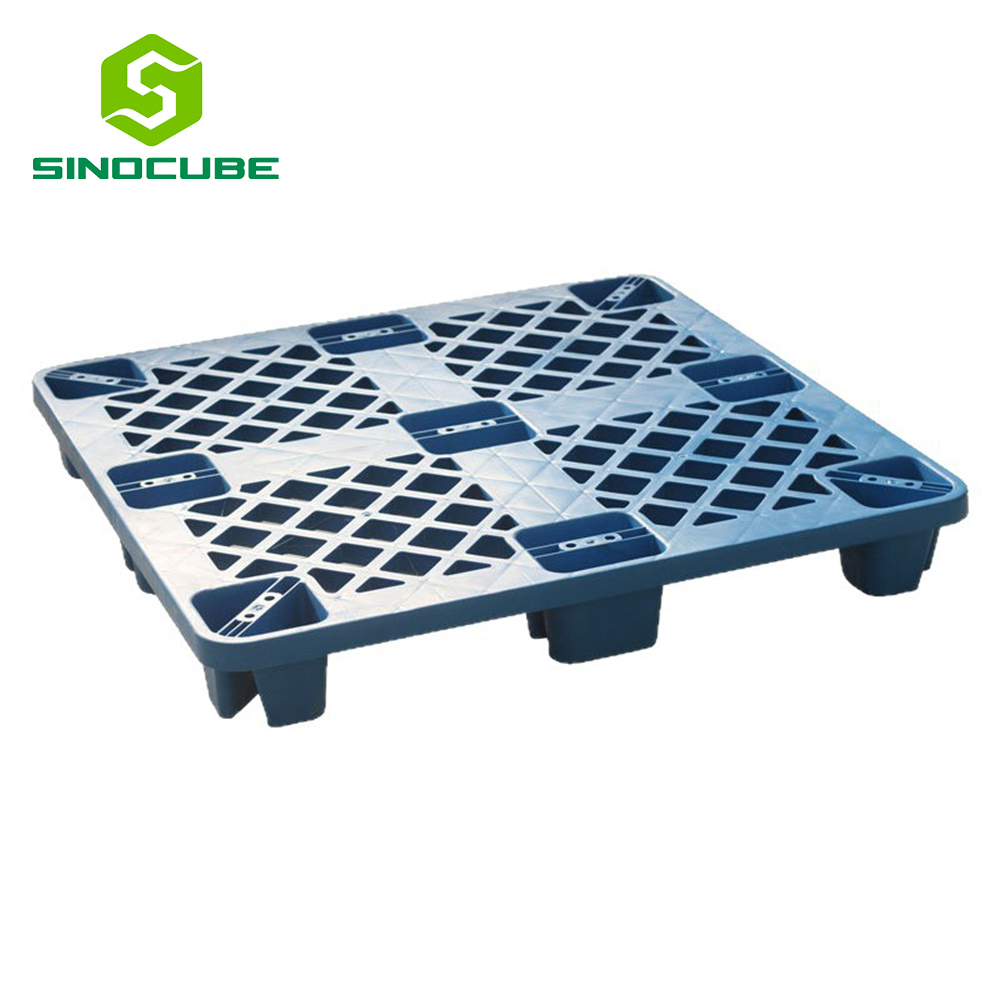
The preference for plastic pallets extends far beyond simple material selection. Today's logistics environments demand solutions that can withstand harsh cleaning protocols, repeated thermal cycling, exposure to moisture, and prolonged storage conditions without degradation. Plastic pallets excel in these demanding environments because their non-porous surfaces resist water absorption, bacterial growth, and chemical penetration. When businesses evaluate plastic pallets for their operations, they discover measurable improvements in product safety, warehouse efficiency, and total cost of ownership. The transition to plastic pallets often marks a turning point in supply chain maturity and competitive positioning.
Hygiene and Contamination Prevention Benefits
Superior Surface Protection Against Contamination
Hygiene represents the primary driver behind the widespread adoption of plastic pallets in regulated and quality-sensitive industries. Wooden pallets naturally harbor bacteria, mold spores, and pathogens within their porous fiber structure, creating persistent contamination risks that cleaning cannot fully eliminate. Plastic pallets feature completely non-porous surfaces that prevent microbial colonization and chemical absorption. When regulatory agencies audit distribution centers or manufacturing facilities, inspectors specifically verify that plastic pallets meet sanitation standards. This compliance advantage alone justifies the investment in plastic pallets for food manufacturers, pharmaceutical distributors, and healthcare logistics providers. The smooth, sealed surface of plastic pallets allows for thorough washdown procedures using industrial cleaning equipment without compromising structural integrity.
Compliance With Food Safety and Pharmaceutical Standards
Major food safety frameworks including HACCP, FSMA, and SQF explicitly recommend plastic pallets as a best practice for reducing cross-contamination in supply chains. Pharmaceutical operations governed by FDA and GMP requirements prioritize plastic pallets to maintain sterile conditions and prevent foreign material contamination. These regulatory frameworks recognize that plastic pallets eliminate wood debris, insect nesting sites, and chemical leaching—all critical failure points in wooden pallet systems. Companies shipping temperature-sensitive products or items requiring traceability documentation find that plastic pallets integrate seamlessly with digital tracking systems and cleanroom protocols. The investment in quality plastic pallets demonstrates corporate commitment to regulatory compliance and consumer safety, directly reducing liability exposure and product recall risk.
Durability, Reusability, and Lifecycle Economics
Extended Operational Lifespan and Repeated-Use Capability
Plastic pallets deliver exceptional value through their extended operational lifespan compared to single-use or short-life wooden alternatives. High-quality plastic pallets remain structurally sound through hundreds or thousands of handling cycles, maintaining load capacity and dimensional accuracy without degradation. Unlike wooden pallets that splinter, warp, and lose structural integrity within two to five years, plastic pallets maintain performance characteristics across ten to fifteen years or longer with proper maintenance. This durability advantage drives the economics of closed-loop logistics networks where plastic pallets cycle repeatedly between distribution centers, manufacturers, and retail locations. Companies implementing plastic pallets within reusable pallet programs report dramatic reductions in waste disposal costs and pallet replacement frequency. The ability to standardize on uniform plastic pallets also simplifies warehouse management, reduces handling injuries, and improves automation compatibility.
Total Cost of Ownership Analysis
Financial analysis consistently demonstrates that plastic pallets deliver lower total cost of ownership despite higher upfront purchase prices compared to wooden alternatives. When companies calculate the true cost of wooden pallets across replacement frequency, waste disposal, cleaning labor, regulatory compliance, and liability exposure, plastic pallets prove significantly more economical over five to ten year planning horizons. Plastic pallets reduce labor costs by requiring simpler cleaning procedures and eliminating the need for specialized splinter removal and wood treatment. Waste management expenses decline substantially when logistics operations transition to plastic pallets because these units avoid the disposal fees associated with contaminated wood. Additionally, plastic pallets enable improved warehouse space utilization through optimized stacking, automated handling, and better compatibility with modern material handling equipment. Companies tracking total cost of ownership metrics find that plastic pallets achieve payback periods of two to four years, after which they generate pure cost savings.
Environmental Sustainability and Supply Chain Resilience
Recyclability and Reduced Environmental Impact
Modern plastic pallets manufactured from recycled materials and designed for end-of-life recovery programs represent a sustainable alternative to deforestation-driven wooden pallet production. When plastic pallets reach end of service life, they enter established recycling streams where they transform into new pallets, industrial bins, or consumer products rather than contributing to landfills. This circular economy model reduces environmental impact across material extraction, manufacturing, transportation, and disposal phases. Companies committed to sustainability targets and carbon neutrality goals increasingly specify plastic pallets as part of their supply chain transformation strategy. The environmental advantage of plastic pallets becomes more pronounced as recycled content percentages increase and recycling infrastructure expands globally. Customers and investors increasingly view plastic pallets as evidence of corporate environmental responsibility and aligned values.
Supply Chain Resilience and Standardization Benefits
Standardizing on plastic pallets across multi-facility networks dramatically improves supply chain resilience and operational efficiency. When all logistics partners use compatible plastic pallets with consistent dimensions, weight ratings, and handling characteristics, goods move seamlessly between warehouses, transportation providers, and customer locations without rehandling or compatibility issues. This standardization eliminates productivity losses from pallet incompatibility, reduces employee training requirements, and enables economies of scale in pallet investment and maintenance. During supply disruptions or demand surges, plastic pallet networks maintain flexibility because units remain available within the closed-loop system rather than scattering across numerous ownership models. Companies operating geographically distributed networks find that plastic pallets significantly reduce complexity and improve visibility across locations. The predictability and consistency of plastic pallets also enhance predictive maintenance capabilities and planning accuracy.
FAQ
What makes plastic pallets more hygienic than wooden pallets?
Plastic pallets feature completely non-porous surfaces that prevent bacterial growth, mold formation, and chemical absorption, unlike wooden pallets with porous fiber structures that harbor pathogens. The sealed construction of plastic pallets allows thorough washdown and sanitization without structural degradation, making them compliant with food safety, pharmaceutical, and healthcare regulations. Wooden pallets naturally trap moisture and contaminants within their fibers, creating persistent hygiene risks that no amount of cleaning can fully eliminate. This fundamental material difference explains why regulatory agencies and quality-focused industries strongly prefer plastic pallets for products requiring high sanitation standards.
How long do plastic pallets typically last compared to wooden pallets?
Quality plastic pallets typically remain structurally sound and suitable for service across ten to fifteen years or longer with normal handling and maintenance, while wooden pallets typically degrade within two to five years before requiring replacement. Plastic pallets maintain load capacity, dimensional accuracy, and handling safety throughout extended operational lifecycles without splinting, warping, or structural loss. The extended durability of plastic pallets drives superior economics through reduced replacement frequency, lower total lifecycle costs, and improved inventory management. When calculating true cost of ownership across replacement cycles, disposal, and operational efficiency, plastic pallets deliver significantly lower total costs despite higher initial purchase prices.
Are plastic pallets environmentally sustainable compared to wooden alternatives?
Modern plastic pallets manufactured from recycled content and designed for end-of-life recovery represent a sustainable choice that avoids deforestation and enables circular economy models. When plastic pallets reach service conclusion, they enter established recycling programs that transform them into new pallets or industrial products rather than contributing to landfills. The environmental advantage of plastic pallets increases as recycled content percentages rise and recycling infrastructure expands. Companies committed to sustainability and carbon reduction targets find that plastic pallets support environmental objectives while delivering operational and financial benefits across supply chain networks.