 EN
EN

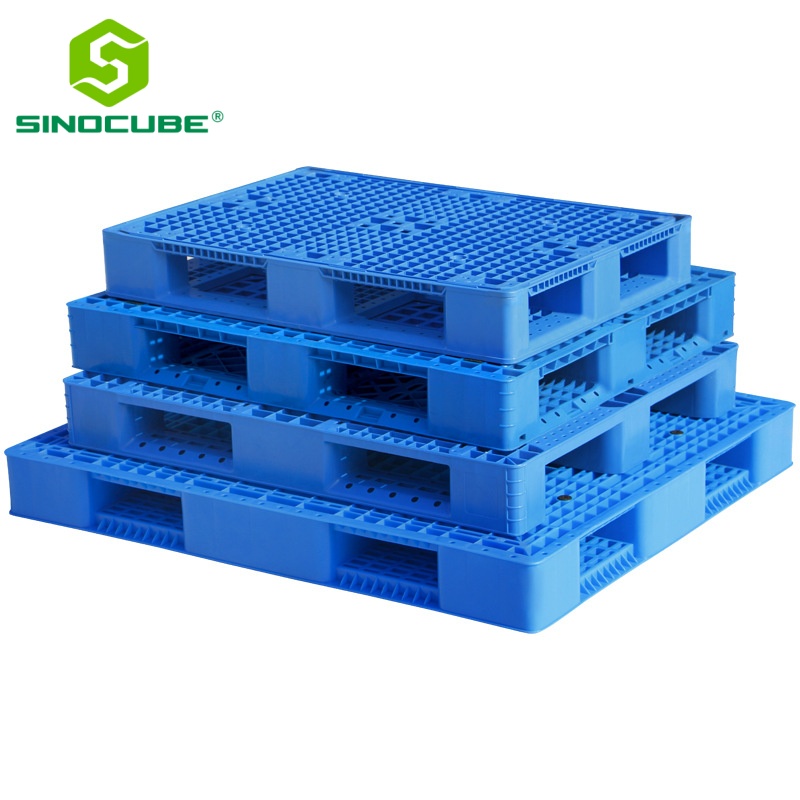
The right pallet selection for supply chain needs can dramatically impact operational efficiency, cost control, and product safety. Organizations that fail to evaluate pallet selection for supply chain needs often struggle with damaged goods, increased labor costs, and supply chain delays. Understanding the key factors that influence pallet selection for supply chain needs is essential for logistics managers, warehouse operators, and procurement professionals who want to optimize their material handling systems and reduce total cost of ownership.

Every supply chain operates under unique constraints—different product weights, storage environments, handling frequencies, and cost budgets. Effective pallet selection for supply chain needs requires balancing performance, durability, sustainability, and financial considerations. This guide explores the critical factors that should shape your pallet selection for supply chain needs decision, from load capacity and material type to compatibility with your warehouse equipment and long-term operational goals.
Material Type and Load Capacity Considerations
Evaluating Pallet Material Options
Material choice is foundational to pallet selection for supply chain needs. Wooden pallets remain the most common option due to their low initial cost and widespread compatibility with existing handling equipment. However, plastic pallets offer superior durability, consistency, and hygiene benefits, making them ideal for pharmaceutical, food, and electronics sectors. Metal pallets provide the highest load capacity and longevity for heavy industrial applications. Your pallet selection for supply chain needs must align with your product type, handling frequency, and regulatory environment.
Each material presents distinct advantages and trade-offs. Wooden pallets are recyclable and cost-effective, but require regular maintenance and replacement due to splinters, moisture absorption, and degradation. Plastic pallets eliminate contamination risks and provide consistent dimensions, supporting modern automated warehousing systems. Understanding these material differences is central to making informed pallet selection for supply chain needs that reduces waste and improves asset utilization across your operation.
Load Capacity and Weight Distribution
Load capacity directly determines whether your pallet selection for supply chain needs can safely handle your products without failure or damage. Standard pallets typically support 1,500 to 2,500 pounds depending on material and design. Heavier loads require reinforced designs, while lighter products may benefit from lighter-weight pallets that reduce transport costs. Miscalculating load capacity during pallet selection for supply chain needs creates serious risks: overloaded pallets collapse during handling, damaging goods and injuring workers.
Weight distribution patterns also influence pallet performance. Center-loaded items behave differently than corner-concentrated loads. Your pallet selection for supply chain needs should account for how your specific products distribute weight across the pallet surface. Testing your expected load scenarios with candidate pallets before committing to large-scale deployment ensures your pallet selection for supply chain needs withstands real operational conditions and prevents costly failures in your distribution network.
Warehouse Environment and Equipment Compatibility
Storage System Integration and Handling Equipment
Your existing warehouse infrastructure must be considered when making pallet selection for supply chain needs. Automated storage systems, pallet racks, conveyors, and forklifts all have specific pallet dimension and design requirements. Standard 48-by-40-inch pallets dominate North American supply chains, but specialized sizes exist for specific applications. Incompatible pallet selection for supply chain needs forces costly equipment upgrades or operational workarounds that erode productivity gains.
Racking systems particularly influence pallet selection for supply chain needs decisions. Drive-in racks, selective racking, and automated systems require different pallet designs. A pallet selection for supply chain needs that supports rack storage usage must account for beam locations, weight distribution patterns, and dynamic forces during retrieval cycles. Before finalizing your pallet selection for supply chain needs, verify that your chosen design integrates seamlessly with all handling and storage equipment in your facility.
Climate and Environmental Factors
Storage conditions directly impact which pallet selection for supply chain needs performs best over time. Temperature fluctuations, humidity, and exposure to chemicals create different demands on pallet materials. Wooden pallets absorb moisture and can develop mold in humid environments, compromising product quality and introducing contamination risks. Plastic pallets resist moisture and chemical exposure, making them superior for cold storage, pharmaceutical warehousing, and food processing environments where pallet selection for supply chain needs must meet strict hygiene standards.
Outdoor storage and transit conditions also shape pallet selection for supply chain needs decisions. Wooden pallets degrade rapidly when exposed to weather, while plastic and metal options provide superior durability for outdoor yards and cross-dock operations. If your supply chain moves products through varied climates or stores them in harsh conditions, your pallet selection for supply chain needs should prioritize weather-resistant materials that maintain structural integrity and reduce replacement frequency throughout the year.
Cost Optimization and Sustainability Alignment
Total Cost of Ownership Analysis
Initial purchase price should never drive pallet selection for supply chain needs decisions in isolation. Total cost of ownership encompasses acquisition, maintenance, replacement cycles, handling labor, and eventual disposal or recovery value. Wooden pallets may cost less upfront but require regular repairs, replacement after 18–24 months of active service, and generate disposal costs. Your pallet selection for supply chain needs should evaluate the full five-year cost picture, including labor hours spent maintaining and replacing damaged pallets.
Plastic and metal pallets typically cost more initially but deliver superior total cost of ownership through longer service life, reduced maintenance, and lower replacement frequency. Many organizations discover that premium pallet selection for supply chain needs actually reduces total spending when accounting for labor savings, fewer damaged goods, and extended asset life. Conducting cost modeling for different material scenarios ensures your pallet selection for supply chain needs aligns with both budget constraints and long-term financial objectives across your supply chain.
Sustainability and Circular Economy Considerations
Environmental responsibility increasingly influences pallet selection for supply chain needs strategies. Wooden pallets support forestry sustainability when sourced responsibly and are fully recyclable or compostable at end of life. Plastic pallets reduce material waste through extended service life and enable closed-loop recycling programs that some manufacturers operate. Your pallet selection for supply chain needs should reflect corporate sustainability commitments and customer expectations regarding environmental stewardship.
Pallet pooling services present another sustainability option that reshapes traditional pallet selection for supply chain needs thinking. Rather than owning pallets outright, pooling programs manage pallet lifecycles, repair, and redistribution across multiple users, reducing total pallets in circulation and extending useful life. Evaluating whether pallet pooling fits your operation during pallet selection for supply chain needs assessment can improve sustainability metrics while reducing capital investment and storage space dedicated to pallet inventory.
FAQ
What is the most important factor when making pallet selection for supply chain needs?
Load capacity combined with compatibility with existing handling equipment should drive your pallet selection for supply chain needs decision. Pallets that cannot safely support your products or integrate with your forklifts and racking systems create operational failures regardless of cost savings. Begin by defining your maximum load requirements and equipment specifications, then evaluate material options and sustainability factors within those constraints.
How does pallet selection for supply chain needs impact warehouse automation?
Automated systems require precise pallet dimensions, consistent weight distribution, and reliable durability that many standard wooden pallets cannot provide. Your pallet selection for supply chain needs must match automation technology specifications exactly, or you'll face system failures and costly equipment modifications. Plastic pallets typically integrate better with modern automated warehousing because they deliver the dimensional consistency and performance reliability automation systems demand.
Should pallet selection for supply chain needs prioritize cost or sustainability?
The best pallet selection for supply chain needs approach integrates both financial and environmental goals. Conduct total cost of ownership analysis that includes sustainability benefits like reduced waste and extended product life. Many premium pallet options deliver better total cost of ownership alongside stronger environmental performance, making it a false choice between cost discipline and sustainability responsibility.