 EN
EN

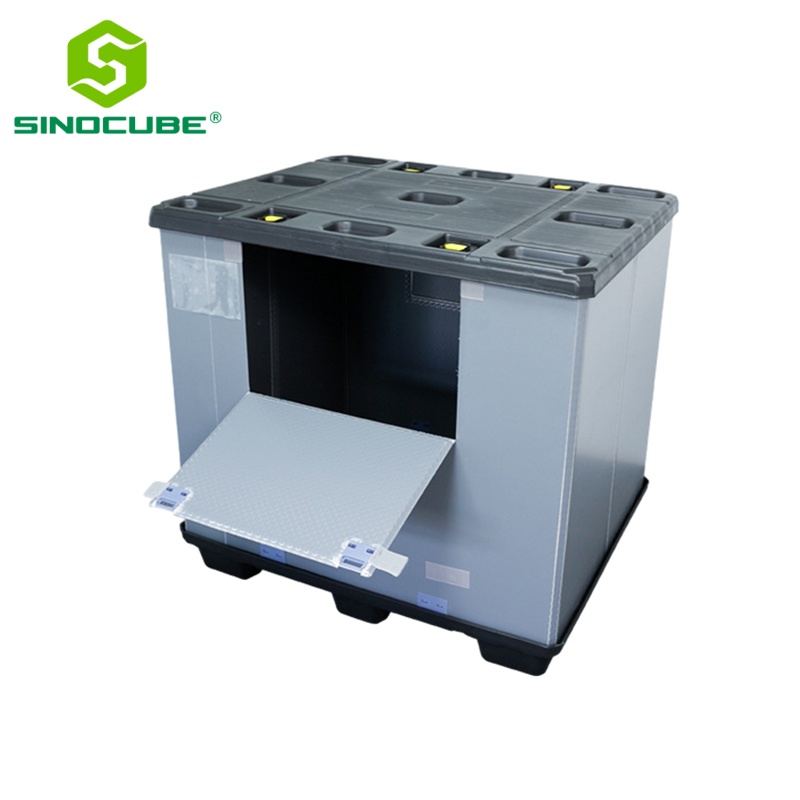
The modern logistics and warehousing industry relies heavily on efficient containment and movement solutions, and the pallet box has emerged as one of the most practical and cost-effective choices for businesses handling bulk materials. From manufacturing facilities to distribution centers, the pallet box provides a standardized approach to storing and transporting goods at scale. Understanding why the pallet box has become so widely adopted requires examining the operational, economic, and practical advantages that make it indispensable in supply chains worldwide.

A pallet box combines the structural benefits of a traditional pallet with the containment capabilities of a storage container, creating a hybrid solution that addresses multiple operational needs simultaneously. The adoption of the pallet box across industries reflects a recognition that efficient material handling directly impacts profitability, safety, and operational velocity. By exploring the fundamental reasons behind this widespread use, organizations can better understand how to optimize their own storage and transportation strategies.
Operational Efficiency and Space Optimization
Maximizing Warehouse Capacity
One of the primary reasons the pallet box has become ubiquitous in bulk material storage is its exceptional space utilization. Unlike loose stacking or traditional separate pallets and bins, a pallet box integrates storage and pallet functionality into a single unit, reducing the footprint required in warehouses. When a pallet box is stacked vertically, facilities can store significantly more material per square foot of floor space, directly improving storage density and reducing real estate costs. For businesses operating on tight margins, this space efficiency translates into measurable financial benefits without requiring facility expansion.
Streamlined Handling Operations
The pallet box design eliminates redundant handling steps that would otherwise be necessary with separate containers. Workers can load materials directly into a pallet box, move it with standard material handling equipment, and store it in the exact same unit. This consolidated approach reduces transfer points, minimizes damage risk, and accelerates the overall material flow through the warehouse. Because a pallet box accommodates standard forklifts and pallet jacks, operational teams can employ existing equipment without additional investment, making the pallet box an economically practical choice for nearly any facility.
Cost Reduction and Economic Advantages
Lower Capital and Operational Expenses
Capital efficiency represents a major driver behind the widespread adoption of the pallet box in bulk storage environments. Instead of purchasing separate pallets, bins, and containers, organizations invest in a unified solution that performs multiple functions. The pallet box reduces packaging material costs, eliminates duplicate inventory tracking, and decreases labor time required for material organization. For distributors managing high-volume throughput, these cumulative savings create substantial impact over months and years. Additionally, many pallet box designs feature collapsible or nesting capabilities, which dramatically reduce return transportation costs and storage requirements when empty, further improving overall logistics economics.
Extended Product Lifecycle
The durability of modern pallet boxes, especially those manufactured from high-grade plastic or metal, means they withstand hundreds or thousands of use cycles. This extended operational life means the cost per use of a pallet box remains remarkably low compared to disposable alternatives. When amortized across the expected number of uses, the pallet box becomes one of the most economical bulk storage solutions available. Organizations that have switched to pallet boxes often report significant reductions in annual container and packaging expenses, which directly enhances bottom-line profitability without affecting service quality.
Transportation and Logistics Flexibility
Compatibility Across Supply Chain Networks
The pallet box has achieved widespread adoption because it integrates seamlessly into existing logistics infrastructure. Most supply chain networks are built around pallet-based handling, and the pallet box fits naturally into this ecosystem. Warehouses, transportation providers, and receiving facilities all have equipment designed to work with pallet boxes without requiring capital expenditure or process modification. This universal compatibility means that a pallet box can move efficiently from a manufacturer to a distributor to a retail center or end user, with minimal friction or handling changes. Such flexibility is invaluable in complex supply chains where materials pass through multiple intermediaries.
Enhanced Cargo Security and Product Protection
Beyond logistics convenience, the pallet box provides superior product protection compared to open pallets or loose containment. The enclosed design shields materials from contamination, weather exposure, and accidental spillage during transit. This protective capability is especially critical for industries handling sensitive materials, food products, pharmaceuticals, or components requiring clean storage. The pallet box maintains product integrity throughout the supply chain, reducing loss rates and customer complaints. Furthermore, the structural rigidity of a pallet box prevents product deformation or crushing, which is a common problem with softer or less stable containment alternatives.
Environmental and Sustainability Considerations
Reusable and Recyclable Design Philosophy
Modern environmental awareness has amplified the appeal of the pallet box as a sustainable bulk storage solution. Unlike single-use packaging, a pallet box is engineered for repeated use across many years, dramatically reducing waste generation. Many pallet boxes are manufactured from recyclable materials such as polypropylene or recycled plastics, aligning with corporate sustainability objectives. Organizations seeking to reduce their environmental footprint increasingly prefer the pallet box because it eliminates the need for disposable containers, reducing landfill contribution. When a pallet box eventually reaches end-of-life, it can typically be recycled through established plastic or metal recycling programs, creating a closed-loop material cycle.
Reducing Transportation Emissions
The efficiency gains delivered by pallet boxes translate into lower transportation emissions across supply chains. Because a pallet box consolidates multiple functions into one unit, fewer trips are required to move the same volume of materials. Collapsible pallet box designs further reduce empty vehicle weight during return journeys, improving fuel efficiency and lowering carbon emissions per unit transported. For organizations operating large distribution networks, these cumulative emission reductions can be substantial, supporting environmental goals while simultaneously reducing fuel costs. The pallet box thus serves as both an economic and environmental advantage in modern logistics strategy.
FAQ
What Industries Benefit Most from Using a Pallet Box?
The pallet box serves industries ranging from automotive component suppliers to food distribution, pharmaceuticals, chemicals, retail merchandise, and agricultural products. Any industry requiring bulk material storage and transportation benefits from the standardized, efficient approach that a pallet box provides. The versatility of the pallet box makes it suitable for both lightweight and heavy-load applications, contributing to its cross-industry prevalence.
How Does a Pallet Box Compare to Traditional Pallets and Separate Bins?
A traditional pallet requires separate bins or covers for containment, involving multiple handling steps and increased storage footprint. A pallet box integrates both pallet and container functionality, reducing complexity, labor, and space requirements. This unified design makes the pallet box more efficient and economical for bulk material operations compared to maintaining separate infrastructure.
Are Pallet Boxes Suitable for Long-Distance Transportation?
Yes, pallet boxes are specifically designed for long-distance transportation. Their robust construction, secure containment, and compatibility with standard logistics networks make them ideal for moving bulk materials across regions or internationally. The protective design of a pallet box ensures materials arrive in excellent condition regardless of transport distance or handling intensity.