 EN
EN

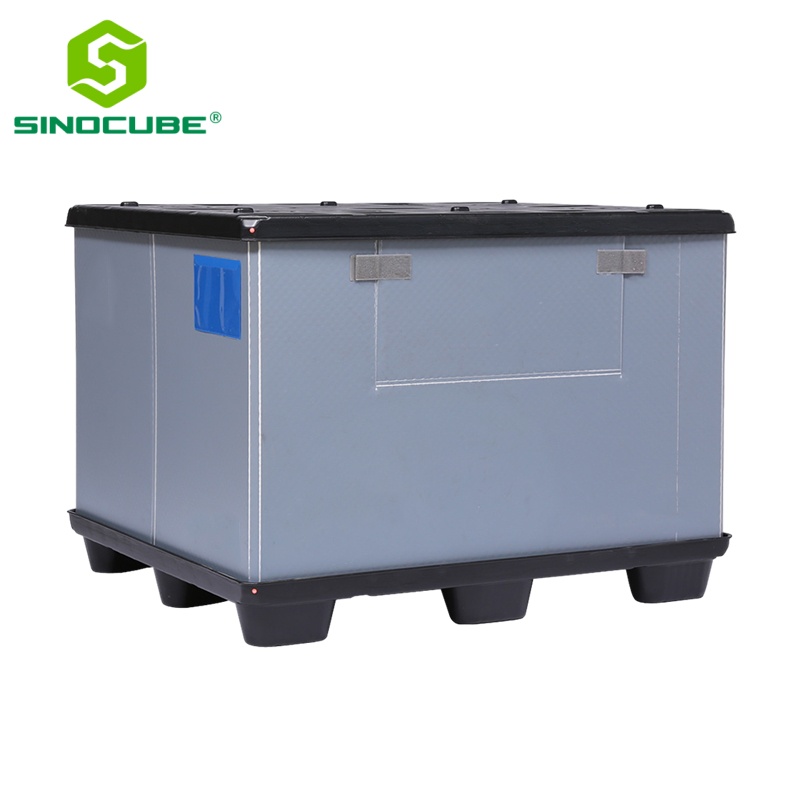
Logistics and supply chain operations face constant pressure to optimize storage, reduce waste, and accelerate throughput across warehouses and distribution centers. A pallet box has become an essential tool for organizations seeking to balance performance with sustainability. However, not every operation benefits equally from pallet box adoption. Understanding which applications derive the most value from pallet box systems is critical for procurement teams, warehouse managers, and logistics directors who must allocate capital wisely and maximize return on investment.

The primary advantage of a pallet box lies in its versatility. Whether used for inbound materials, work-in-progress inventory, or finished goods staging, a pallet box enables efficient space utilization while protecting product integrity. The strategic implementation of pallet box solutions across high-velocity operations transforms how companies handle, store, and distribute goods while reducing labor intensity and environmental footprint.
High-Volume Manufacturing and Assembly Operations
Material Flow Optimization with Pallet Box Systems
Manufacturing facilities processing hundreds of components daily derive tremendous value from a dedicated pallet box strategy. When raw materials arrive in bulk shipments, a pallet box provides a standardized container that integrates seamlessly with conveyor systems, automated storage racks, and picking workstations. The consistent dimensions of a pallet box eliminate the variability that slows production lines and increases handling errors. Assembly departments particularly benefit from pallet box adoption because these containers enable easy movement between workstations without requiring forklift intervention for every transition.
Work-in-progress (WIP) inventory management represents another critical application where a pallet box excels. As sub-assemblies move through multiple production stages, a pallet box keeps components organized, prevents cross-contamination, and enables visual inventory management. Production teams can quickly identify stock levels by scanning pallet box labels, reducing time spent on manual counting and reconciliation. The nesting capability of many modern pallet box designs means empty containers consume minimal storage space during downtime periods, a feature highly valued in facilities operating under tight square-footage constraints.
Cost Reduction Through Pallet Box Consolidation
Manufacturing operations implementing pallet box solutions consistently report significant cost savings. A pallet box replaces multiple packaging methods—cardboard cartons, wooden pallets, plastic wrap, and wooden crates—with a single standardized container. This consolidation reduces packaging material expenditure while streamlining supplier relationships since procurement teams manage one container type rather than five. A pallet box also extends service life across hundreds of handling cycles, making per-use cost substantially lower than disposable alternatives. The durable construction of a quality pallet box means companies recover capital investment within months of implementation.
E-Commerce and Omnichannel Distribution
Fast-Picking and Order Fulfillment with Pallet Box Storage
E-commerce operations thrive on speed and accuracy, creating an ideal environment for pallet box implementation. Fulfillment centers receiving hundreds of SKUs daily benefit enormously from pallet box standardization because pickers work faster when containers have uniform dimensions and predictable access points. A pallet box positioned at waist height on modular shelving allows pickers to grab items without bending excessively, reducing fatigue-related errors and repetitive strain injuries. Many warehouses implement color-coded pallet box systems to designate product categories or priority levels, enabling rapid visual scanning during peak order volumes.
Returns processing represents an often-overlooked application where a pallet box delivers exceptional value. When customers return goods, a dedicated pallet box stream ensures returned inventory flows smoothly through inspection, sorting, and restocking workflows. The rigid structure of a pallet box prevents returns from shifting during transport, reducing damage and maintaining product quality. Many omnichannel operators deploy pallet box containers specifically for reverse logistics, creating a closed-loop system that recovers value while maintaining brand reputation through proper handling.
Last-Mile Logistics and Regional Hubs
Regional distribution hubs serving multiple retail locations or customer endpoints benefit significantly from pallet box deployment. A pallet box enables consolidation of partial shipments destined for the same geographic zone without requiring multiple containers. The uniform stacking capability of a pallet box maximizes vehicle capacity utilization during regional deliveries, directly reducing transportation costs per unit. Retail locations receiving goods in standardized pallet box containers experience faster unloading times and more efficient shelf stocking, creating value throughout the entire supply chain network.
Cold Chain and Temperature-Controlled Operations
Pharmaceutical and Perishable Product Protection
Pharmaceutical, chemical, and perishable food operations represent perhaps the most critical applications for pallet box deployment. Temperature-sensitive products require containers that maintain structural integrity during thermal cycling—the repeated temperature fluctuations that occur during storage and transport. A specialized pallet box designed for cold environments resists embrittlement and maintains dimensional stability even at sub-zero temperatures. Insulated or thermally engineered pallet box variants enable companies to reduce reliance on disposable coolers and ice packs, creating substantial environmental and cost benefits.
Regulatory compliance in pharmaceutical logistics demands complete traceability and chain-of-custody documentation. A pallet box equipped with RFID tags or barcode systems enables real-time tracking throughout cold storage and distribution networks. This capability directly supports FDA, EMA, and other regulatory requirements while providing supply chain visibility that reduces counterfeiting risk and inventory shrinkage. The standardization inherent to a pallet box approach simplifies validation protocols and reduces the documentation burden on quality assurance teams.
Seasonal and Peak Demand Scenarios
Businesses experiencing seasonal demand spikes—holiday retail, agricultural harvests, or pharmaceutical flu season—find that a pallet box solution provides essential flexibility. When peak periods arrive, companies can rapidly deploy additional pallet box inventory from rental suppliers without capital expenditure. A pallet box rental model converts a fixed cost into variable cost, aligning expenses with actual business demand. This approach particularly benefits food distribution, beverage logistics, and seasonal manufacturing where demand varies dramatically quarter-to-quarter.
FAQ
What industries benefit most from pallet box implementation?
Manufacturing, e-commerce, pharmaceutical, food and beverage, and automotive logistics operations gain the highest value from pallet box solutions. Any industry handling multiple SKUs, requiring fast throughput, or managing temperature-sensitive products represents an ideal candidate for pallet box adoption. The pallet box concept works best in environments where standardization reduces complexity and enhances visibility across distributed networks.
How does a pallet box improve warehouse safety and worker efficiency?
A pallet box reduces ergonomic strain by providing consistent container dimensions that eliminate awkward reaching or bending. Standardized pallet box heights and access points mean workers develop efficient motion patterns, reducing repetitive stress injuries. The sturdy construction of a pallet box also prevents product spillage and collapse, eliminating safety hazards that might otherwise result from inferior packaging methods.
Can a pallet box solution reduce environmental impact in logistics operations?
Yes, a pallet box significantly reduces environmental burden compared to single-use packaging. Reusable pallet box containers eliminate the need for cardboard, plastic film, and wooden materials that typically end up in landfills. The lifecycle of a pallet box spans hundreds of uses, making its per-use environmental footprint substantially lower than disposable alternatives. Many companies also find that pallet box rental programs enable circular economy models where containers return to manufacturers for refurbishment.