 EN
EN

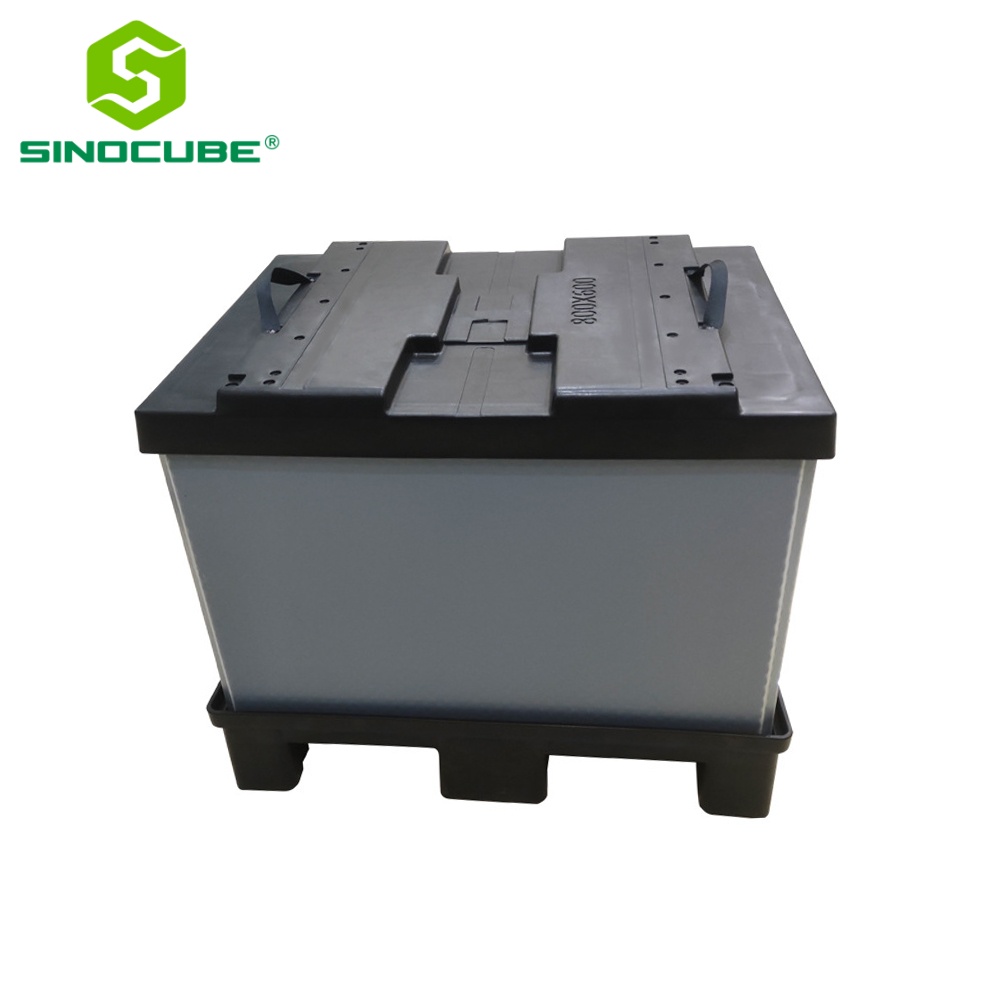
Plastic crates have become the backbone of modern sustainable logistics operations across industries worldwide. Organizations pursuing environmental responsibility and operational efficiency increasingly rely on plastic crates to streamline their supply chains while reducing their ecological footprint. The shift toward plastic crates represents a fundamental change in how businesses approach material handling, storage, and distribution logistics. Understanding why plastic crates dominate this space requires examining their practical advantages, environmental credentials, and long-term cost implications for logistics professionals.
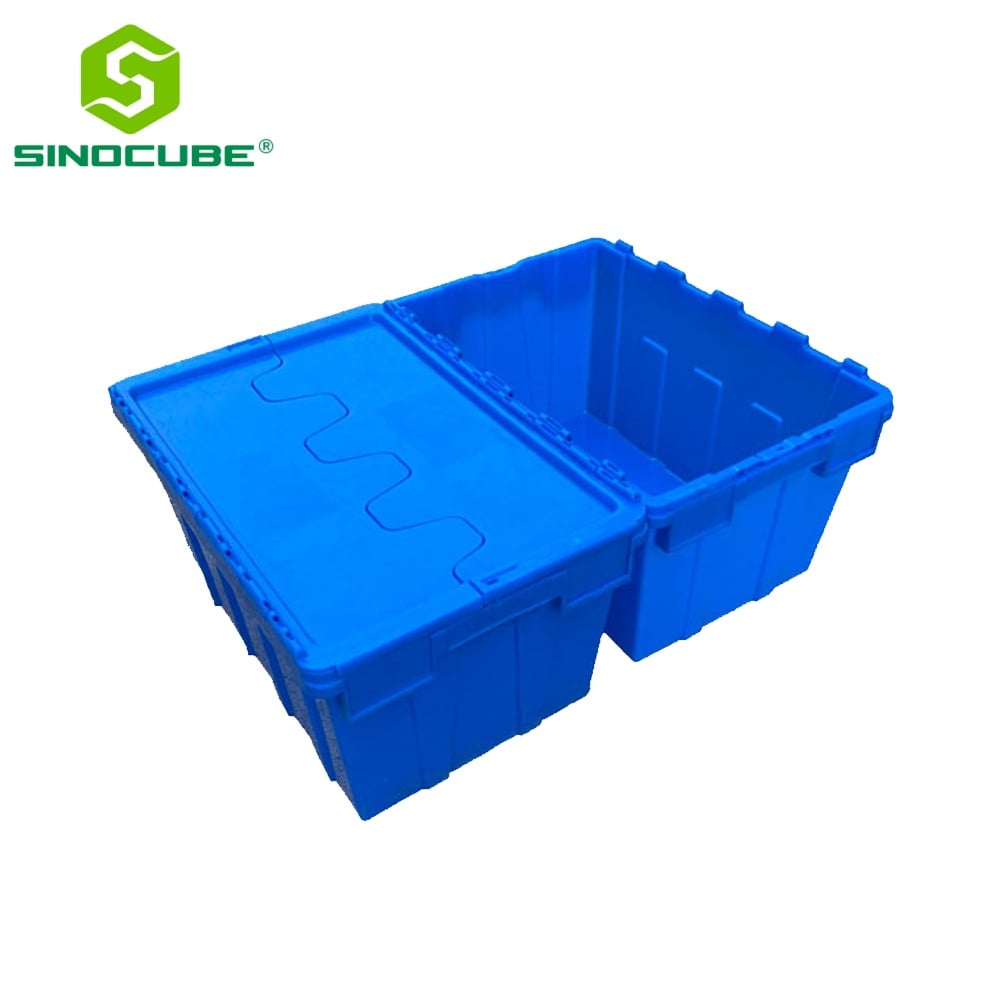
The popularity of plastic crates stems from their exceptional durability, lightweight construction, and proven performance in demanding logistics environments. Unlike traditional wooden alternatives, plastic crates withstand repeated handling, moisture exposure, temperature fluctuations, and chemical contact without degradation. This resilience translates into extended operational life and predictable performance across diverse supply chain applications, from food distribution to automotive components and pharmaceutical logistics.
Durability and Longevity of Plastic Crates
Superior Material Resilience
Plastic crates offer unmatched durability compared to competing container solutions. High-density polyethylene and polypropylene materials resist splintering, cracking, and warping that plague wooden alternatives. These plastic crates withstand thousands of handling cycles, repeated stacking, and harsh warehouse environments without structural compromise. The engineering behind plastic crates ensures they maintain dimensional accuracy throughout their operational life, critical for automated sorting and stackable storage systems.
The material science supporting plastic crates extends their serviceable lifespan to ten years or more under typical logistics conditions. Organizations reducing container replacement cycles find plastic crates deliver superior total cost of ownership despite higher initial investment. When plastic crates require eventual replacement, the material remains recyclable, maintaining value within circular economy frameworks that define modern sustainable operations.
Performance in Harsh Conditions
Plastic crates excel in environments where traditional containers fail. Cold storage facilities, hygiene-sensitive applications, and corrosive chemical exposure present no challenges for quality plastic crates. Unlike wooden containers that absorb moisture, harbor pathogens, and deteriorate in refrigerated environments, plastic crates maintain structural integrity across temperature extremes from frozen conditions to heated warehouse spaces. This environmental resilience eliminates costly downtime and frequent replacement cycles plaguing less robust container systems.
Industries requiring stringent sanitation standards rely heavily on plastic crates because the material withstands intensive cleaning protocols without degradation. Food logistics operations, pharmaceutical distribution, and medical device handling all leverage plastic crates' resistance to bleach-based disinfectants and steam sterilization. This superior performance capability makes plastic crates the default choice for regulated industries where container cleanliness directly impacts product safety and regulatory compliance.
Environmental Impact and Sustainability Benefits
Reusability and Circular Economy Alignment
Sustainability advocates favor plastic crates because they embody circular economy principles through extensive reusability. A single set of plastic crates can complete hundreds of logistics cycles without material degradation, dramatically reducing waste compared to single-use cardboard boxes. Organizations implementing plastic crates achieve measurable reductions in packaging waste streams while maintaining operational performance and supply chain efficiency. The reusable nature of plastic crates directly supports corporate sustainability commitments and environmental responsibility initiatives.
The environmental calculus shifts decisively toward plastic crates when considering lifecycle emissions across repeated use cycles. While single-use cardboard appears environmentally neutral, its cumulative production, transportation, and disposal across thousands of shipments generates substantial carbon footprints. Plastic crates amortize their manufacturing emissions across hundreds of uses, resulting in significantly lower per-use environmental impact. This comparative advantage strengthens as usage frequency increases, making plastic crates particularly valuable for high-velocity supply chains.
Waste Reduction and Material Recovery
Plastic crates contribute meaningfully to waste reduction within logistics networks. Organizations consolidating container management around reusable plastic crates eliminate ongoing packaging material consumption that characterizes disposable container systems. The standardized design of plastic crates facilitates efficient logistics networks where containers reverse-flow through centralized cleaning and redistribution hubs. This closed-loop infrastructure transforms plastic crates into working assets within sustainable supply chains rather than disposable consumption products.
End-of-life management for plastic crates aligns with modern recycling infrastructure and environmental regulations. When plastic crates reach the end of operational life after years or decades of service, the material enters established recycling streams for conversion into new products. This material recovery capability ensures plastic crates maintain positive environmental value throughout their entire lifecycle, supporting broader circular economy objectives that define contemporary sustainable logistics.
Economic Advantages and Operational Efficiency
Cost Savings Through Reduced Replacement
The economic case for plastic crates strengthens through analysis of total cost of ownership across multi-year supply chain operations. Initial investment in quality plastic crates exceeds single-use alternatives, but the extended lifespan and minimal replacement requirements quickly generate cost advantages. Organizations eliminating constant packaging material purchases find plastic crates deliver substantial savings within the first two to three years of operation. These economic benefits compound across longer operational horizons as plastic crates continue performing reliably without replacement.
Predictable operational costs represent another significant economic advantage of standardized plastic crates. Organizations implementing container management systems built around plastic crates gain budget certainty and eliminate surprise packaging expenses. The modular nature of plastic crate fleets allows scaling operations without proportional cost increases, supporting business growth while maintaining logistics efficiency and cost control.
Optimization of Warehouse and Transport Operations
Plastic crates optimize warehouse utilization through superior stackability and space efficiency compared to alternatives. Their uniform dimensions enable dense packing within storage facilities and transportation vehicles, reducing square footage requirements and per-unit transport costs. Organizations redesigning logistics facilities around plastic crates frequently discover significant space utilization improvements that translate into real estate cost savings and increased throughput capacity.
The lightweight construction of plastic crates reduces transportation fuel consumption and associated carbon emissions. Lower container weight means more product per shipment, improving logistics efficiency metrics while supporting sustainability objectives. Warehouse automation systems integrate seamlessly with plastic crates, enabling automated sorting, robotic handling, and conveyor-based distribution that maximize operational throughput while reducing labor requirements. These technological synergies position plastic crates as essential infrastructure for modern automated logistics networks.
FAQ
What makes plastic crates more sustainable than cardboard boxes?
Plastic crates achieve superior sustainability through reusability across hundreds of logistics cycles, whereas cardboard boxes require replacement after single use. When lifecycle emissions are calculated across repeated uses, plastic crates generate significantly lower per-use environmental impact despite higher initial production emissions. Additionally, plastic crates eliminate ongoing packaging material consumption and associated waste streams that characterize disposable cardboard systems.
How long do plastic crates typically last in logistics operations?
Quality plastic crates typically remain operational for ten to fifteen years under standard logistics conditions, with some premium containers lasting even longer. The exact lifespan depends on usage intensity, handling practices, environmental exposure, and maintenance protocols. Organizations implementing proper container management systems and cleaning procedures consistently achieve extended service life that maximizes return on investment and environmental benefits associated with plastic crates.
Are plastic crates suitable for food industry logistics?
Plastic crates are ideal for food industry applications because they withstand intensive sanitation protocols, resist pathogen contamination, and maintain structural integrity in cold storage environments. Food logistics operations worldwide rely on food-grade plastic crates that meet regulatory hygiene standards while providing superior performance compared to wooden alternatives. The material's resistance to moisture absorption and compatibility with cleaning systems make plastic crates the preferred choice for regulated food supply chains.