 EN
EN

Material handling represents one of the most significant operational challenges in industrial facilities, warehouses, and distribution centers. The efficiency of your material handling processes directly impacts production timelines, labor costs, and overall facility performance. Pallets have become the backbone of modern logistics and warehouse operations, serving as the fundamental unit around which entire supply chain systems are built. Understanding how pallets improve material handling efficiency is essential for any facility manager seeking to optimize operations and reduce operational costs.
The strategic use of pallets transforms how materials move through your facility, from receiving areas through storage to final shipment. Pallets standardize load handling, enabling consistent processes across multiple departments and reducing the time required for individual material movements. When properly selected and maintained, pallets minimize product damage, decrease handling time, and maximize space utilization throughout your operation. This article explores the practical ways pallets enhance material handling efficiency and provides actionable insights for implementing pallet solutions effectively.
Understanding Pallets and Their Core Functions
What Pallets Are and How They Operate
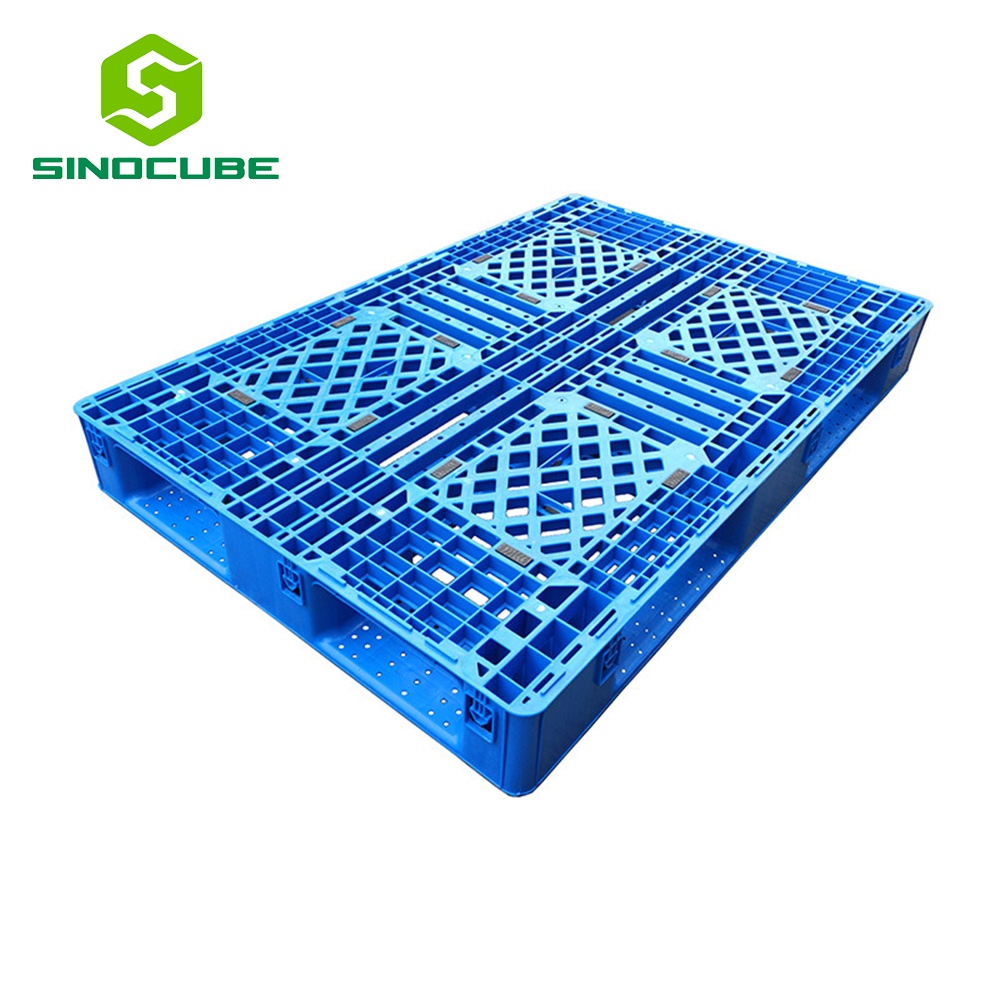
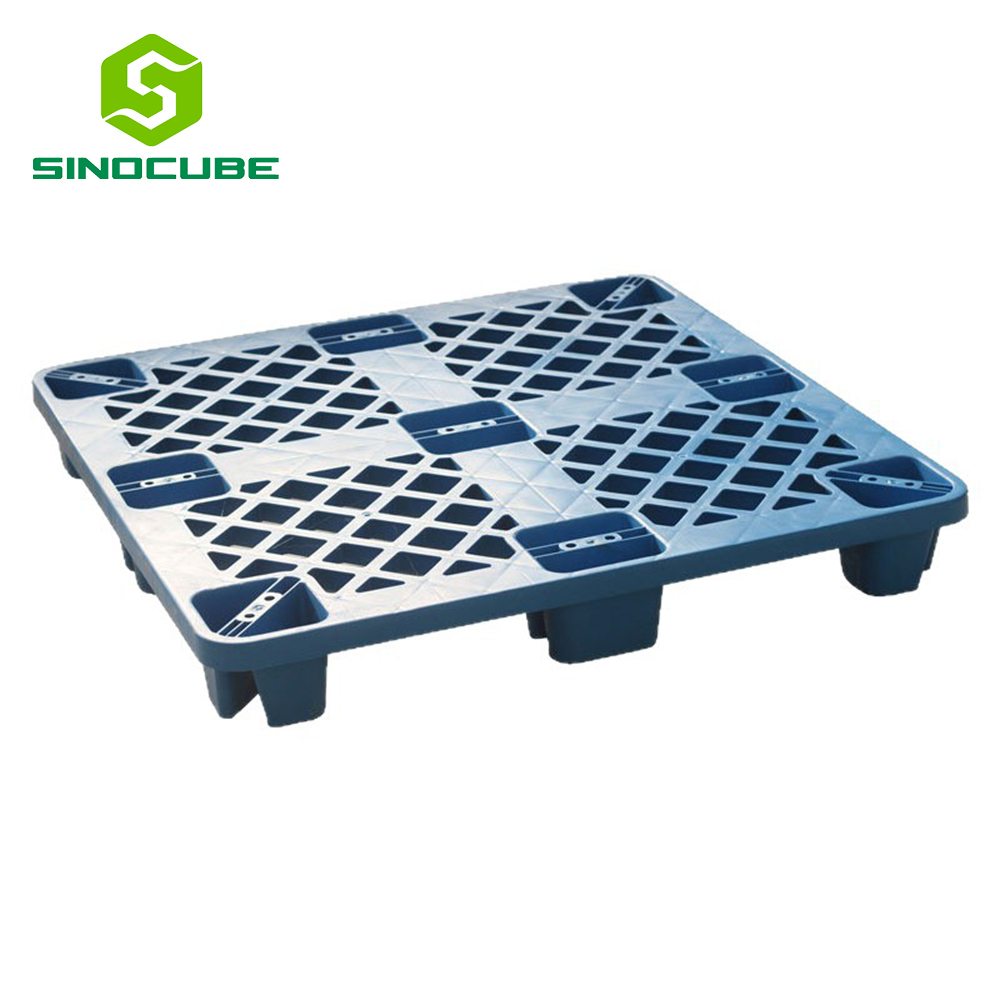
Pallets are flat, portable platforms designed to support and transport materials safely through industrial environments. These structures consist of a deck surface supported by blocks or runners that create space for forklift or pallet jack access. Modern pallets come in various materials including wood, plastic, and metal, each offering distinct advantages for different applications. The standardized dimensions of most pallets enable seamless integration with material handling equipment, storage systems, and transportation vehicles. Pallets serve as the universal intermediary between individual items and the larger logistics infrastructure that moves goods through your facility.
The Standardization Advantage
Standardization is one of the most powerful benefits that pallets bring to material handling efficiency. When all personnel work with uniform pallet sizes, load configurations, and handling procedures, workflow becomes predictable and training becomes simpler. Standard pallets integrate perfectly with conveyors, automated storage systems, and mechanical handling equipment found in most industrial facilities. This compatibility eliminates bottlenecks caused by incompatible load formats or equipment mismatches. Standardized pallets create a common language across different departments and facilities, reducing confusion and accelerating material flow.
How Pallets Optimize Warehouse Operations
Reducing Labor Costs Through Efficient Handling
Labor represents the largest expense in most warehouse operations, and pallets directly reduce these costs through improved handling efficiency. With pallets, operators move entire loads simultaneously rather than handling individual items, which multiplies productivity per labor hour. The reduced physical strain associated with pallet-based handling decreases worker fatigue and injury rates, lowering absenteeism and workers' compensation claims. Pallets enable single operators to manage loads that would require multiple workers if handled manually item by item. This efficiency gain allows facilities to handle increased volume without proportional increases in labor headcount.
Maximizing Space Utilization
Effective warehouse space is extraordinarily expensive, and pallets maximize your facility's cubic storage capacity. When materials are stored on pallets, they stack consistently and predictably, enabling vertical storage that would be impossible with loose items. Pallets accommodate organized racking systems that transform horizontal floor space into multi-level storage opportunities, increasing storage capacity threefold or more. The standardized footprint of pallets allows precise calculation of available storage positions, reducing wasted space and improving inventory accuracy. Facilities using pallets efficiently store significantly more material within the same physical footprint compared to non-pallet storage methods.
Improving Safety and Product Protection
Preventing Damage and Loss
Product damage during handling represents a substantial hidden cost in many industrial operations. Pallets protect items by distributing weight evenly and isolating loads from direct contact with flooring or equipment surfaces. Materials stored on pallets are less likely to experience crushing, contamination, or environmental exposure compared to ground-level storage. Standardized pallet handling procedures ensure consistent treatment of goods throughout their journey, reducing the damage variability that occurs with manual handling. This protection extends product shelf life and maintains product quality, directly supporting your bottom line profitability.
Enhancing Worker Safety
Pallet-based material handling creates safer working environments for warehouse personnel. Rather than lifting individual heavy items repeatedly, workers move complete loads using equipment, dramatically reducing repetitive strain injuries and back injuries. Pallets confine unstable loads to defined platforms, preventing the collapses and tip-overs that occur with loosely stacked materials. Proper pallet handling training creates predictable, standardized procedures that all personnel understand, reducing accidents from inconsistent practices. When workers operate within structured pallet-based systems, they maintain better control and awareness of their environment, further improving overall facility safety metrics.
Streamlining Material Flow and Turnaround Times
Accelerating Receiving and Shipping Processes
Pallets accelerate material movement through every stage of your facility operations. Receiving departments verify shipments faster when goods arrive on pallets, as counting and inventory becomes simpler with organized, contained loads. Pallets enable rapid loading and unloading of transportation vehicles, minimizing dock time and reducing vehicle wait times that create logistics bottlenecks. Shipping departments prepare orders more quickly using standardized pallet configurations, reducing fulfillment cycle times. When pallets enable faster material movement, your facility processes higher volume without adding capacity, directly improving throughput and customer delivery performance.
Supporting Just-In-Time Operations
Modern manufacturing increasingly relies on just-in-time inventory practices that require rapid material movement and precise timing. Pallets make just-in-time operations feasible by enabling quick material flow from receiving through production to shipment. Standardized pallet handling allows precise scheduling of material arrival, eliminating the storage time that would be necessary with slower, less predictable manual handling. Pallets facilitate the integration of your facility with supplier schedules and customer demand patterns, allowing tight synchronization of material flow. This capability is essential for competitive industries where inventory holding costs and delivery speed significantly impact profitability.
FAQ
How do different pallet materials affect material handling efficiency?
Wooden pallets offer excellent strength and cost-effectiveness for most applications, making them ideal for general warehousing. Plastic pallets provide superior hygiene and durability for food and pharmaceutical industries, and they resist moisture better than wood. Metal pallets deliver maximum durability for extremely heavy loads or harsh environments. The choice between materials depends on your specific cargo characteristics, facility environment, and budget constraints. Regardless of material, pallets standardize handling regardless of the pallet type you select.
What is the optimal pallet size for industrial facilities?
The most common pallet dimensions are 48x40 inches in North America and 1200x800 millimeters in Europe, representing globally standardized sizes that integrate with most equipment. However, pallets come in various sizes to match specific facility constraints or load requirements. Your choice of pallet size should align with your racking systems, transportation vehicles, and handling equipment to maximize efficiency. Switching between pallet sizes reduces efficiency because equipment and procedures must be adjusted for each size variation. Standardizing on a single pallet size throughout your facility eliminates these transitions and maintains consistent material handling efficiency.
Can automated systems work effectively with pallets?
Yes, pallets form the foundation of modern automated warehouse systems including automated storage and retrieval systems (ASRS), conveyor networks, and robotic handling equipment. Standardized pallets enable automation because machines require predictable, consistent load formats to function reliably. Automated systems dramatically amplify the efficiency benefits that pallets provide, handling materials at speeds impossible for manual labor. Many high-volume facilities combine pallets with partial or full automation to achieve material handling efficiency levels that manual pallet handling alone cannot match. Pallets are essential enablers of facility automation, making them even more valuable in technology-forward operations.