 EN
EN

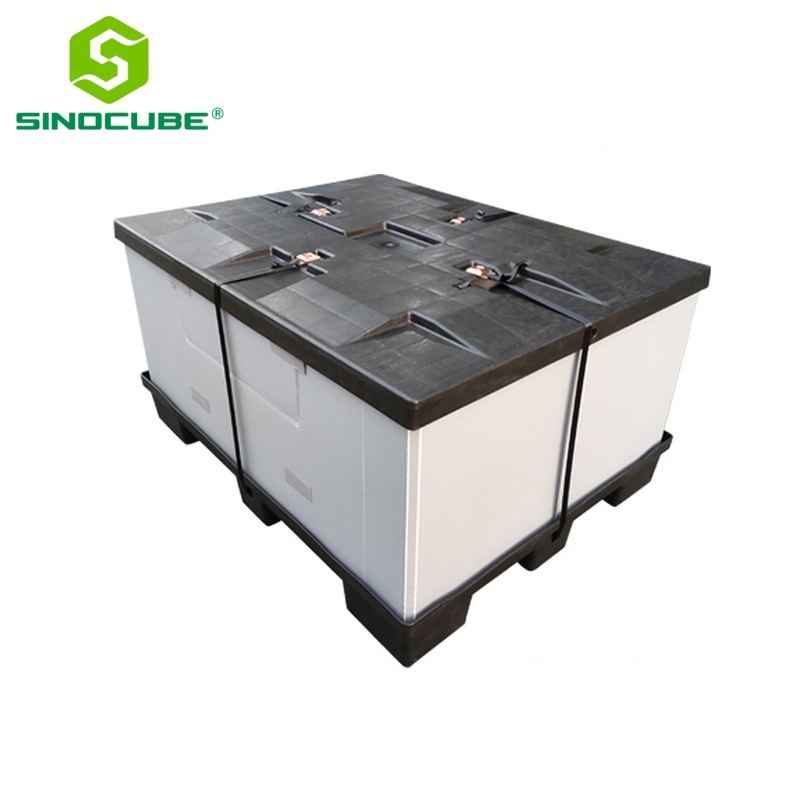
When selecting storage and transport solutions for industrial operations, the distinction between a high-quality pallet box and standard containers becomes critically important. A pallet box serves as the backbone of modern supply chain logistics, yet not all pallet box solutions deliver the same performance, durability, or value. Understanding what separates a superior pallet box from ordinary alternatives helps procurement professionals make informed decisions that protect inventory, reduce operational costs, and streamline warehouse efficiency.
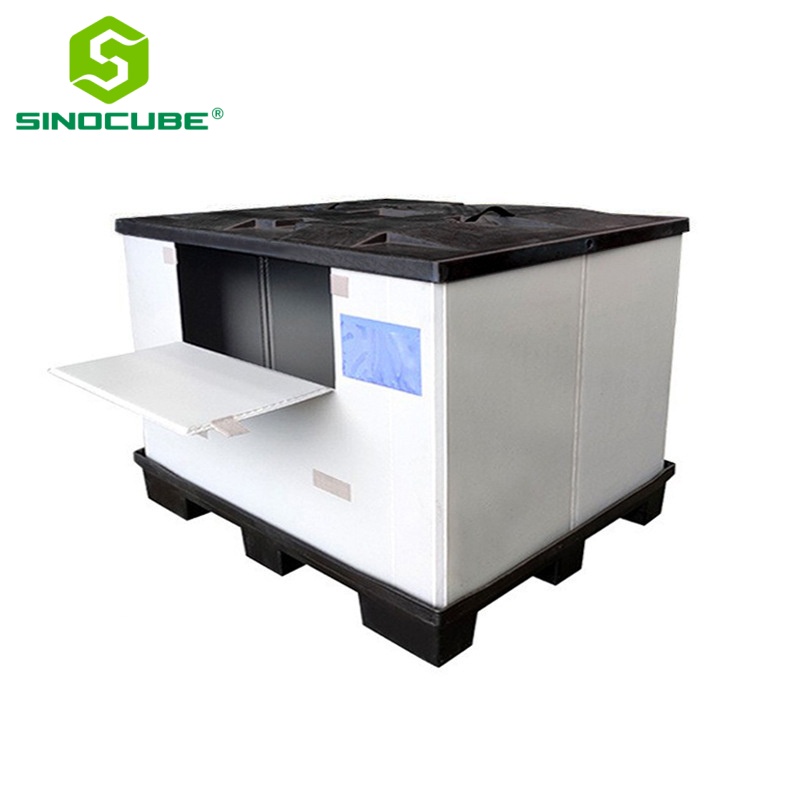
The investment in quality storage containers directly impacts product protection, handling safety, and long-term operational economics. A pallet box engineered for demanding industrial environments demonstrates measurable advantages in load-bearing capacity, dimensional stability, and service life compared to basic containers. This article explores the defining characteristics that distinguish a premium pallet box solution from standard alternatives, ensuring your organization selects containers that align with operational requirements and cost expectations.
Material Composition and Structural Integrity
Advanced Polymer Engineering in Pallet Box Design
High-quality pallet box construction relies on engineered polymer formulations specifically designed for industrial loading demands. Premium pallet box materials incorporate reinforced resins with enhanced impact resistance and temperature stability, ensuring containers maintain structural integrity across seasonal variations and repeated handling cycles. Standard containers often utilize basic plastic compounds that degrade under UV exposure or become brittle in cold environments, whereas a superior pallet box maintains consistent performance across diverse storage conditions.
The polymer grade determines a pallet box's capacity to support stacking loads without deformation or failure. A high-grade pallet box uses virgin or recycled polymers with consistent molecular structure, preventing the warping and stress cracking common in budget-grade containers. This material consistency directly translates to reliable weight distribution and predictable service intervals, critical factors for operations managing thousands of containers in circulation.
Reinforcement Features in Premium Pallet Box Solutions
Structural reinforcement distinguishes an advanced pallet box from basic alternatives through strategic ribbing patterns, thickened wall sections, and integrated support frameworks. High-performance pallet box designs incorporate cross-bracing and corner reinforcements that distribute stress evenly across the container structure, preventing localized failures under dynamic loading. Standard containers lack these engineered reinforcement strategies, resulting in gradual degradation and shortened operational lifespan.
A quality pallet box also features reinforced deck surfaces and sidewall construction that withstand forklift contact, edge impacts, and sustained pressure from stacked loads. These reinforcement elements add minimal weight while significantly extending container durability and reducing replacement frequency—a critical economic advantage for organizations managing large container fleets.
Load Capacity and Dimensional Stability
Static and Dynamic Load Performance of Pallet Box Systems
The distinction between high-quality pallet box solutions and standard containers emerges clearly in load-bearing specifications. A premium pallet box maintains consistent dimensional accuracy under full static loads, preventing bottom sag and top bulging that compromise stacking reliability. Superior pallet box engineering ensures that containers stacked five or six units high remain geometrically true, preventing product damage and safety hazards in warehouse environments.
Dynamic load capacity—the ability to withstand repeated handling, forklift contact, and motion-induced stress—separates commercial-grade pallet box systems from basic alternatives. High-performance pallet box designs accommodate the rigorous demands of automated handling systems and high-speed conveyor integration, whereas standard containers often suffer premature failure under automated processing environments.
Dimensional Precision and Pallet Box Consistency
A high-quality pallet box maintains tight dimensional tolerances across production batches, ensuring consistent stacking, automated handling, and integration with warehouse management systems. Standard containers frequently exhibit dimensional variability that creates packaging gaps, prevents efficient palletization, and complicates automated sorting systems. This precision in pallet box manufacturing enables seamless integration with modern logistics infrastructure and optimizes space utilization in racking systems.
Consistent pallet box dimensions also simplify inventory management and reduce labor time associated with manual adjustment or workarounds for oversized or undersized containers. Organizations leveraging automation depend on precise container geometry that only premium pallet box solutions reliably deliver. This dimensional consistency becomes particularly valuable in operations requiring custom pallet box configurations for specialized product requirements.
Durability, Cost Efficiency, and Operational Advantages
Extended Service Life and Total Cost Economics of Pallet Box Ownership
The extended service lifespan of a quality pallet box directly addresses total cost of ownership in container management programs. While premium pallet box solutions carry higher initial acquisition costs, superior durability extends useful life by three to five years compared to standard alternatives. This longevity advantage reduces replacement cycles, lowers logistics costs associated with container disposal, and stabilizes per-unit amortization across operational budgets.
A high-performance pallet box resists the progressive degradation—crazing, brittleness, and structural weakening—that shortens container service life under demanding conditions. Organizations operating in temperature-extreme environments or handling abrasive products benefit most from premium pallet box construction that maintains integrity across thousands of handling cycles. This durability advantage becomes increasingly significant in high-volume operations where container replacement represents substantial operational expense.
Customization Options and Specialized Pallet Box Features
Premium pallet box manufacturers offer customization capabilities that standard container suppliers cannot match, including specialized venting patterns, drainage systems, and anti-static properties tailored to specific product requirements. A customized pallet box optimized for pharmaceutical, automotive, or food industry applications delivers protective features and compliance certifications that basic containers cannot provide. This customization flexibility transforms pallet box selection from a commodity purchase into a strategic logistics tool aligned with operational requirements.
Advanced pallet box features—including foldable or stackable configurations that reduce empty return shipping—represent significant sustainability and cost advantages. Some pallet box solutions incorporate honeycomb core construction, four-way entry capability, and collapsible sidewalls that optimize space utilization and transportation efficiency. These advanced features distinguish enterprise-grade pallet box systems from basic containers designed solely for stationary storage applications.
FAQ
What load capacity should a quality pallet box support?
Premium pallet boxes typically support static loads between 500 and 1,000 pounds depending on design specifications and stacking configuration. A high-quality pallet box maintains this load capacity consistently across thousands of handling cycles without permanent deformation. Selection should match your specific product weight and stacking requirements to ensure reliable performance and safety compliance.
How does a pallet box differ from a standard plastic crate?
A quality pallet box incorporates integrated pallet bases with four-way or two-way entry capability, solid deck construction, and higher sidewalls designed for pallet jack and forklift handling. Standard plastic crates typically feature open-bottom designs intended for manual handling or fixed-position storage. The structural design differences mean a pallet box accommodates mechanized logistics infrastructure while basic crates do not, making pallet box selection critical for automated warehouse environments.
What maintenance does a pallet box require?
High-quality pallet boxes require minimal maintenance—primarily routine cleaning to prevent debris accumulation and periodic inspection for visible damage. Superior pallet box construction resists cracking and degradation that necessitates frequent repairs, whereas standard containers often require replacement after a few years of active use. Regular visual inspection ensures continued safe operation and identifies containers requiring retirement from active service.