 EN

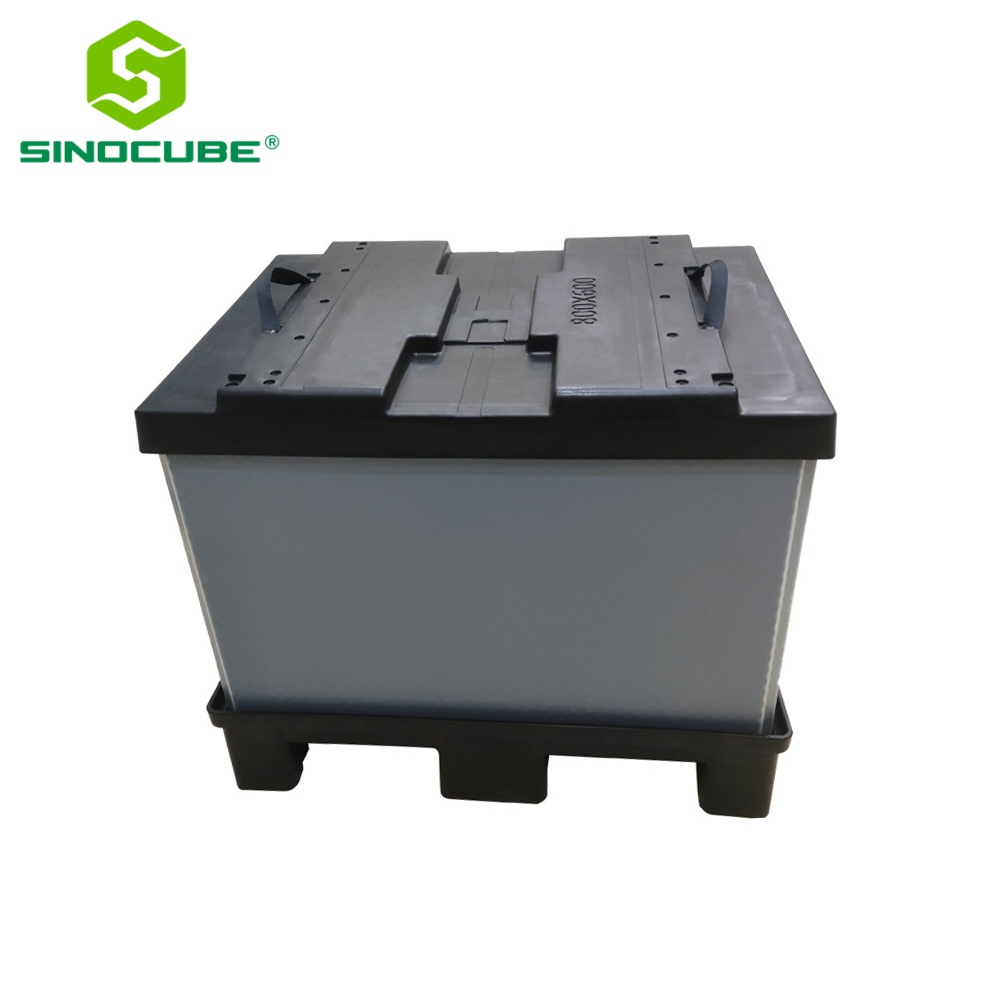
Modern logistics and distribution networks depend on efficient material handling and cost-effective storage. Bulk containers have become the backbone of supply chain operations, enabling businesses to move, store, and manage large quantities of goods with minimal waste and maximum efficiency. Whether you operate a warehouse, manufacturing facility, or distribution center, understanding the critical role of bulk containers in modern logistics is essential to optimizing your operations and reducing costs.
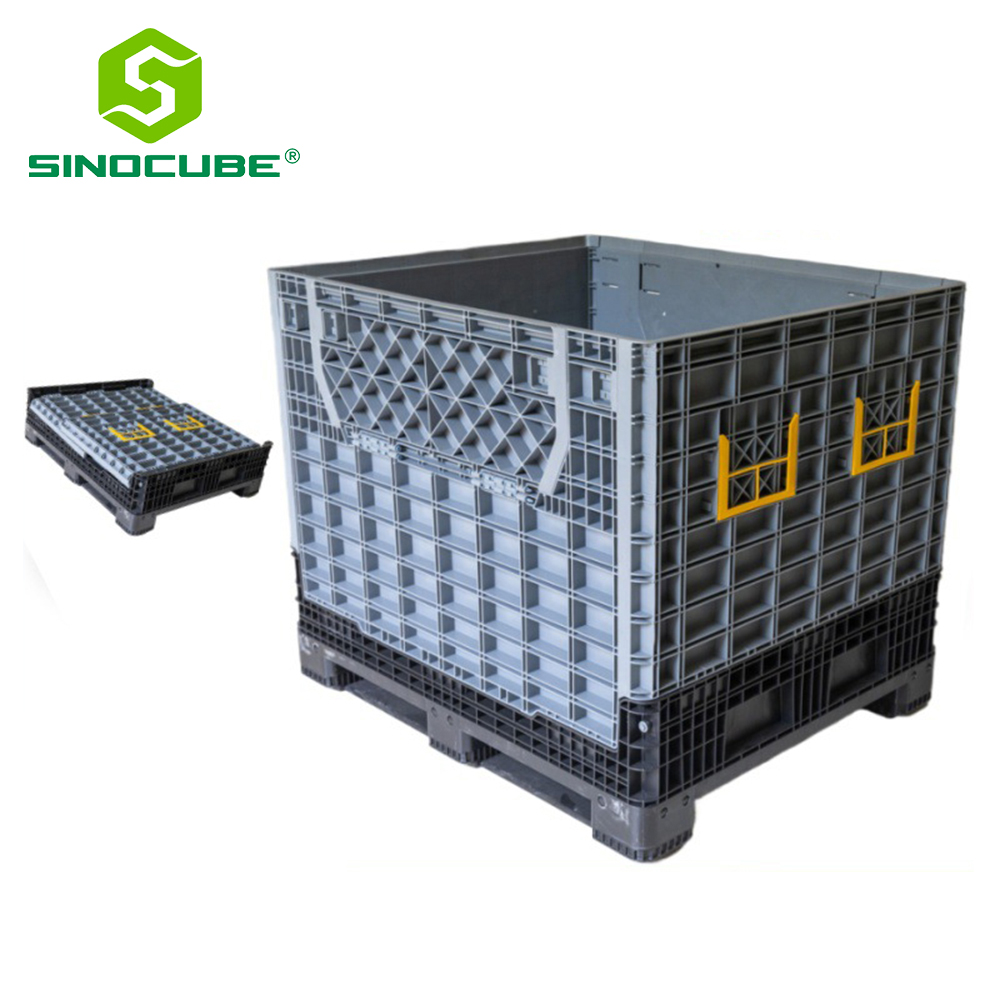
The logistics industry faces constant pressure to reduce operational costs while maintaining product quality and delivery speed. Bulk container storage solutions address these challenges directly by consolidating shipments, reducing packaging material consumption, and enabling standardized handling across supply chains. The shift toward containerized logistics represents a fundamental transformation in how companies approach inventory management and material flow.
The Strategic Value of Bulk Containers in Supply Chain Operations
Cost Reduction Through Consolidation
One of the most compelling reasons bulk containers are essential lies in their ability to significantly reduce transportation and handling costs. Traditional packaging requires individual boxing, labeling, and multiple handling points, each adding expense and time. Bulk container weight capacity allows shippers to maximize load efficiency per vehicle, reducing cost per unit and fuel consumption. Companies that implement bulk container storage solutions report measurable improvements in their cost structure within the first operational quarter.
Standardized bulk containers eliminate the need for custom packaging for different products or destinations. This consistency reduces procurement complexity and allows warehouse staff to work faster. When every item follows the same containment protocol, your distribution network operates like a well-calibrated machine, where every movement has been optimized for time and cost.
Space Optimization and Warehouse Efficiency
Warehouse space represents one of the highest fixed costs in logistics operations. Industrial bulk container types are engineered for stackability and space efficiency, allowing vertical utilization of warehouse height. A single storage location can accommodate multiple stacked containers, effectively multiplying your usable storage capacity without expanding your facility footprint. This vertical stacking capability transforms how businesses think about facility planning and inventory positioning.
The standardized dimensions of industrial bulk container types ensure compatibility with automated racking systems, conveyor networks, and material handling equipment. This compatibility eliminates operational friction points where manual intervention would otherwise be required, freeing labor resources for higher-value tasks and accelerating throughput across your distribution network.
Industrial Bulk Container Types and Their Specialized Applications
Rigid Containers for Heavy-Duty Environments
Industrial environments require containers that withstand extreme conditions, including temperature fluctuations, chemical exposure, and mechanical stress. Heavy-duty rigid industrial bulk container types are manufactured from reinforced plastics or steel, offering superior protection for sensitive materials and components. These containers maintain structural integrity through hundreds of load cycles, reducing replacement frequency and total cost of ownership across extended operational periods.
Rigid bulk container weight capacity specifications are clearly marked, allowing precise load calculation and safe stacking configurations. This transparency in weight ratings eliminates guesswork and reduces accident risk in fast-paced warehouse environments. Companies handling automotive parts, electronics, pharmaceuticals, or chemical materials benefit enormously from containers designed specifically for their environmental requirements.
Collapsible Containers for Return Logistics
Modern logistics increasingly focuses on circular economy principles, where containers themselves become reusable assets that travel back through the supply chain. Collapsible industrial bulk container types dramatically reduce return shipping volume and costs by flattening when empty. A container that occupies 40 percent of its original volume in collapsed form transforms the economics of reverse logistics networks, enabling suppliers to recover containers profitably rather than treating them as disposable.
The reusability of bulk container storage solutions extends their environmental value far beyond initial deployment. Containers that survive hundreds of fill-empty cycles reduce packaging waste significantly compared to single-use alternatives. Distributors and manufacturers gain competitive advantage through reduced material costs while improving their sustainability profile.
Bulk Container Weight Capacity and Safe Operations
Maximizing Load Efficiency Within Safety Parameters
Understanding and properly utilizing bulk container weight capacity is fundamental to safe and efficient operations. Manufacturers specify maximum load ratings based on materials, construction methods, and stacking configurations. Operators must respect these specifications to prevent structural failure, equipment damage, and workplace injuries. Well-trained staff who understand how to calculate actual loads against published bulk container weight capacity ratings prevent accidents and extend container lifespan significantly.
Dense materials require different handling protocols than lighter goods, even within the same container type. Bulk container storage solutions must account for density distribution and load centering to maintain stability during transport and stacking. Companies that invest in operator training and clear capacity communication systems eliminate the hidden costs associated with overloading, including insurance claims, downtime, and regulatory compliance issues.
Compatibility with Automation Systems
Modern warehouses increasingly integrate automated systems for sorting, conveying, and retrieval operations. Industrial bulk container types must be designed for compatibility with these systems, including standard pallet configurations, barcode placement locations, and sensor-readable dimensions. Weight specifications must align with conveyor load ratings and robotic handling capacity to prevent equipment damage and maintain throughput velocity. When bulk containers integrate seamlessly with your automation infrastructure, the entire supply chain operates at peak efficiency.
FAQ
What makes bulk containers more cost-effective than traditional packaging?
Bulk containers consolidate shipments, reducing packaging material usage, handling labor, and transportation volume. A single consolidated shipment in bulk container storage solutions typically costs 30-50 percent less per unit than small-package alternatives because fixed costs are distributed across larger quantities. Additionally, reusable containers amortize their initial investment across hundreds of use cycles, creating long-term savings that far exceed the cost of single-use packaging.
How do industrial bulk container types differ based on product requirements?
Different industries require specialized industrial bulk container types engineered for their unique challenges. Food-grade containers must meet hygiene standards and resist moisture, while automotive containers need durability and precision dimensions for component protection. Chemical containers require chemical-resistant materials and secure locking mechanisms. Pharmaceutical containers prioritize contamination prevention and traceability features. Selecting the correct container type for your specific product ensures regulatory compliance, reduces waste, and optimizes supply chain performance.
Why is bulk container weight capacity critical for warehouse safety?
Bulk container weight capacity ratings represent structural limits established through engineering testing. Exceeding these limits risks container failure, which can cause injuries to workers, damage to products, and disruption to operations. Proper weight management also ensures containers stack safely and maintain stability during transport on trucks and forklifts. Training staff to respect capacity specifications prevents accidents, reduces insurance claims, and demonstrates your commitment to workplace safety and operational excellence.