 EN

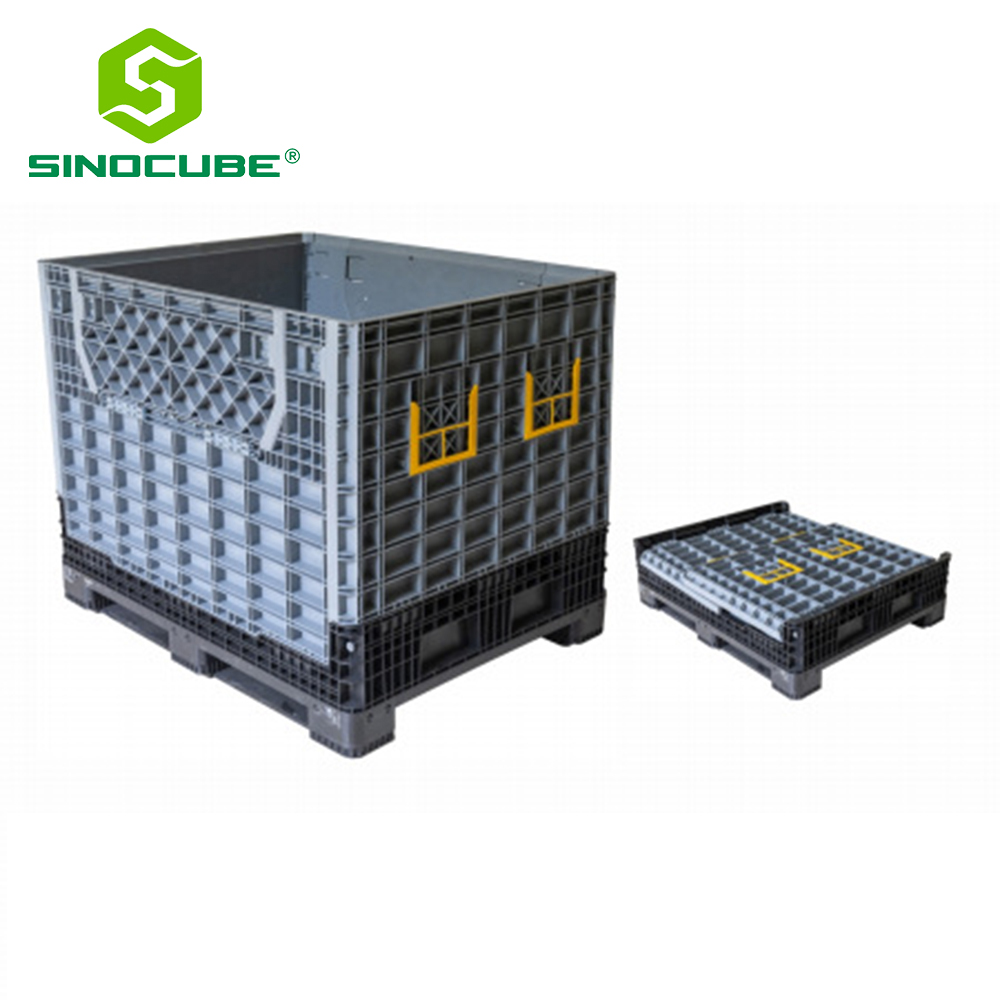
Large-volume transportation presents significant challenges for businesses moving goods across supply chains. Product damage, contamination, and handling inefficiencies can cost companies thousands of dollars annually. Bulk containers have emerged as a critical solution for protecting valuable inventory while optimizing logistics operations. These specialized vessels provide engineered protection that standard packaging cannot match, making them indispensable for manufacturers, distributors, and retailers handling significant product volumes.
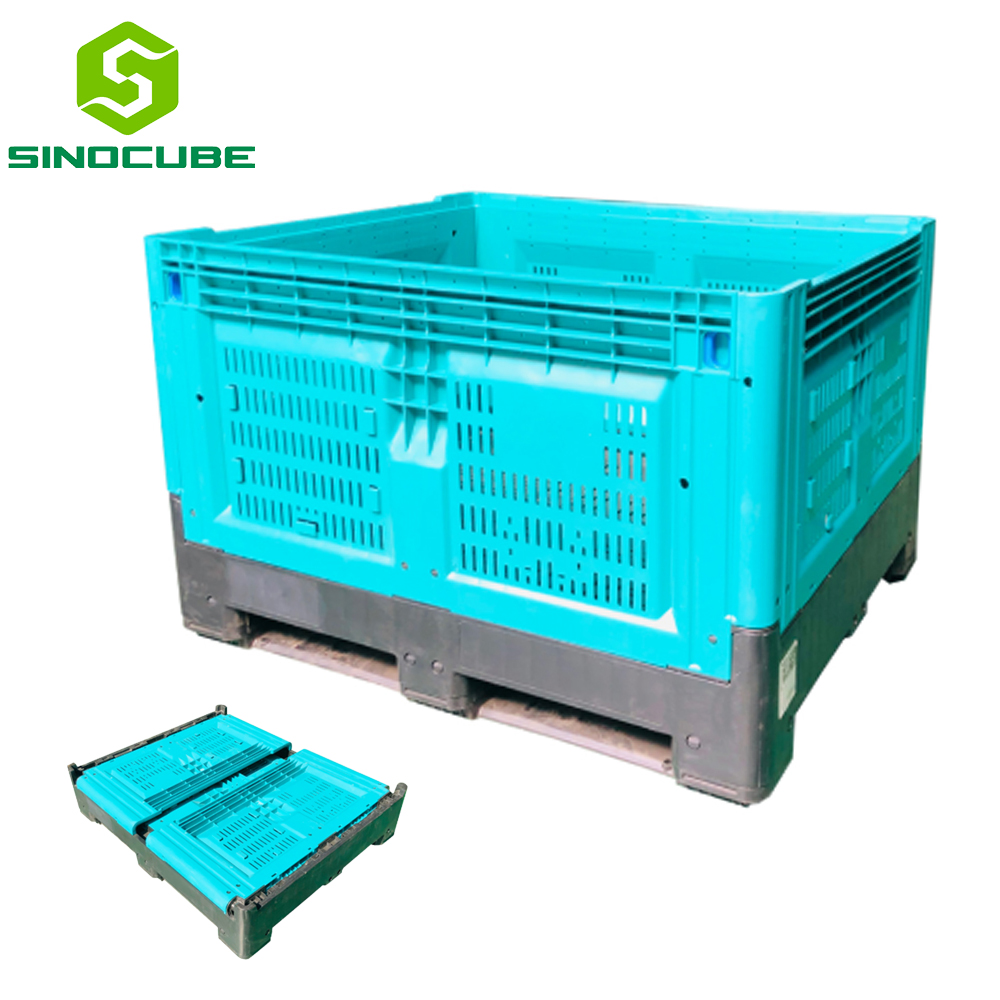
The strategic implementation of reusable bulk packaging transforms how organizations approach transportation logistics. Rather than relying on disposable cardboard boxes or fragile crating, bulk containers offer dimensional stability, stackability, and protective features specifically engineered for transit conditions. This approach reduces damage rates, minimizes waste, and creates measurable cost savings across multiple operational touchpoints in your supply chain.
Structural Protection and Containment Benefits
How Bulk Containers Prevent Product Damage
Large capacity shipping containers protect products through multiple integrated design features. Reinforced walls withstand compression forces from stacking during transport and storage, while built-in ribs and bracing distribute weight evenly across the container structure. The protective interior environment shields contents from external impacts, moisture, dust, and contamination that would otherwise degrade product quality. For fragile items like electronics, ceramics, or precision instruments, this containment advantage proves invaluable.
Proper containment also prevents cross-contamination between different product types. Industrial storage solutions featuring compartmentalization or solid walls separate incompatible items, maintaining product integrity throughout the shipping journey. Many industrial storage solutions now incorporate drainage systems, ventilation options, and temperature stability features that extend protection beyond basic physical containment.
Stackability and Space Optimization
Reusable bulk packaging enables efficient vertical stacking, transforming warehouse and transport vehicle utilization. Standardized dimensions and reinforced construction allow secure multi-level stacking without product compression or container deformation. This capability reduces vehicle space requirements, enabling companies to transport more units per shipment and lower per-unit transportation costs. The optimization directly impacts your bottom line through decreased freight expenses and fewer trips needed.
Nested storage when containers are empty further maximizes warehouse efficiency. Unlike traditional cardboard boxes requiring extensive storage space, empty bulk containers collapse or nest into minimal footprints, freeing valuable warehouse real estate for inventory rather than packaging materials.
Economic and Operational Advantages
Cost Reduction Through Reusable Systems
Reusable bulk packaging eliminates the recurring expense of single-use packaging materials. While initial investment in quality containers requires capital allocation, the multi-year lifecycle dramatically reduces per-use costs compared to disposable alternatives. A container experiencing fifty transportation cycles costs less per shipment than cardboard boxes replaced after single use. Over three to five years, organizations typically recover initial investments while achieving ongoing savings.
Large capacity shipping containers reduce labor costs associated with packaging and unloading operations. Simplified handling procedures and consistent container dimensions accelerate warehouse throughput, requiring fewer personnel hours per shipment processed. The standardization also minimizes training requirements for new warehouse staff navigating loading procedures.
Environmental and Sustainability Impact
Adopting industrial storage solutions using reusable bulk packaging significantly reduces waste generated by transportation operations. Eliminating disposable cardboard, foam insulation, and plastic wrap reduces landfill contributions while demonstrating corporate environmental commitment. Many stakeholders, including major retailers and sustainability-focused consumers, increasingly favor suppliers utilizing reusable packaging systems. This preference can influence procurement decisions and brand reputation within supply chains.
The manufacturing process for bulk containers produces substantially less waste than continuous cardboard production. Containerization systems also facilitate better supply chain visibility and reverse logistics, enabling containers to return from distribution points for refilling or redistribution, creating circular economy benefits throughout your operations.
Implementation Strategy and Practical Considerations
Selecting Appropriate Container Types
Different products require different protection levels, necessitating careful container selection within available reusable bulk packaging options. Liquid products demand containers with integrated drain holes, secure lid mechanisms, and chemical-resistant materials. Dry goods benefit from ventilated designs allowing moisture regulation, while temperature-sensitive items require insulated container options. Large capacity shipping containers come in various materials including rigid plastics, collapsible frameworks, and hybrid designs accommodating diverse product requirements.
Assessment begins with evaluating your specific product characteristics, typical shipment distances, handling environments, and current damage rates. Organizations should test containers with actual products before full-scale deployment, ensuring selected industrial storage solutions perform adequately under real operational conditions. Pilot programs involving limited shipments identify potential issues before company-wide implementation.
Integration with Existing Logistics Infrastructure
Successfully implementing bulk containers requires coordination across warehouse, transportation, and receiving operations. Training warehouse staff on proper loading techniques, weight distribution, and container care maximizes protection benefits. Establishing clear protocols for container inspection, maintenance, and repair extends useful life and prevents deterioration affecting protection performance. Regular audits verify that containers remain clean and undamaged before shipment.
Tracking systems and container management software ensure efficient circulation throughout the supply chain. Large capacity shipping containers equipped with identification systems enable monitoring, reducing loss and enabling optimized return logistics. This visibility proves particularly valuable for organizations operating multi-location distribution networks where containers regularly circulate between facilities.
FAQ
What makes bulk containers more effective than cardboard boxes for product transportation?
Bulk containers provide superior structural integrity, predictable stacking performance, and reusability across multiple shipments. Cardboard degrades with moisture exposure, loses structural strength over time, and compresses under load, offering inconsistent protection. Reusable bulk packaging maintains consistent performance through dozens of cycles, protecting products more reliably while reducing waste and cost compared to single-use alternatives.
How do industrial storage solutions reduce transportation costs?
Large capacity shipping containers maximize vehicle utilization through efficient stacking and standardized dimensions, allowing more units per shipment. Reusable bulk packaging eliminates recurring packaging material purchases, spreading container investment across multiple uses. Simplified loading procedures reduce labor time, while standardized containers optimize warehouse processes and minimize handling damage that generates replacement expenses.
Can bulk containers accommodate temperature-sensitive or fragile products?
Yes, modern industrial storage solutions include specialized options for diverse product requirements. Insulated containers maintain temperature stability for temperature-sensitive items, while designs with shock-absorbing interiors protect fragile goods. Reusable bulk packaging manufacturers offer customization options including padding, dividers, and protective liners suited to specific product vulnerabilities and handling conditions.