 EN

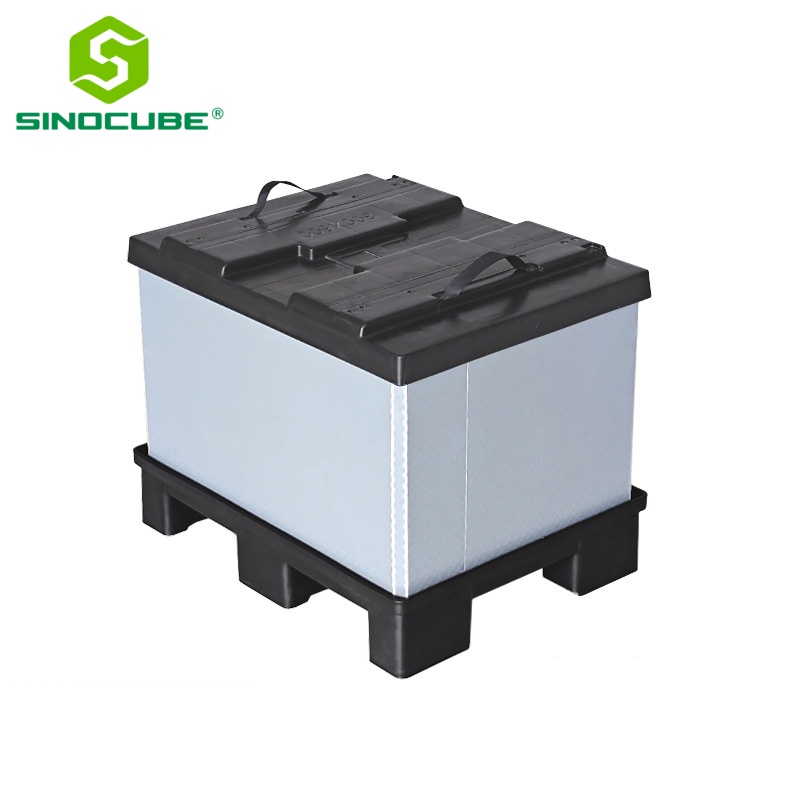
When sourcing large-volume packaging solutions, understanding the distinctions between premium gaylord boxes and standard packaging options is critical for operational efficiency and cost control. High-quality gaylord boxes deliver superior structural integrity, reliability, and performance across demanding industrial and e-commerce environments. Standard packaging, by contrast, often fails to meet the rigorous demands of bulk storage, long-distance shipping, and repeated handling cycles. This article explores the key features that distinguish premium gaylord boxes from conventional alternatives, enabling procurement professionals and logistics managers to make informed purchasing decisions.
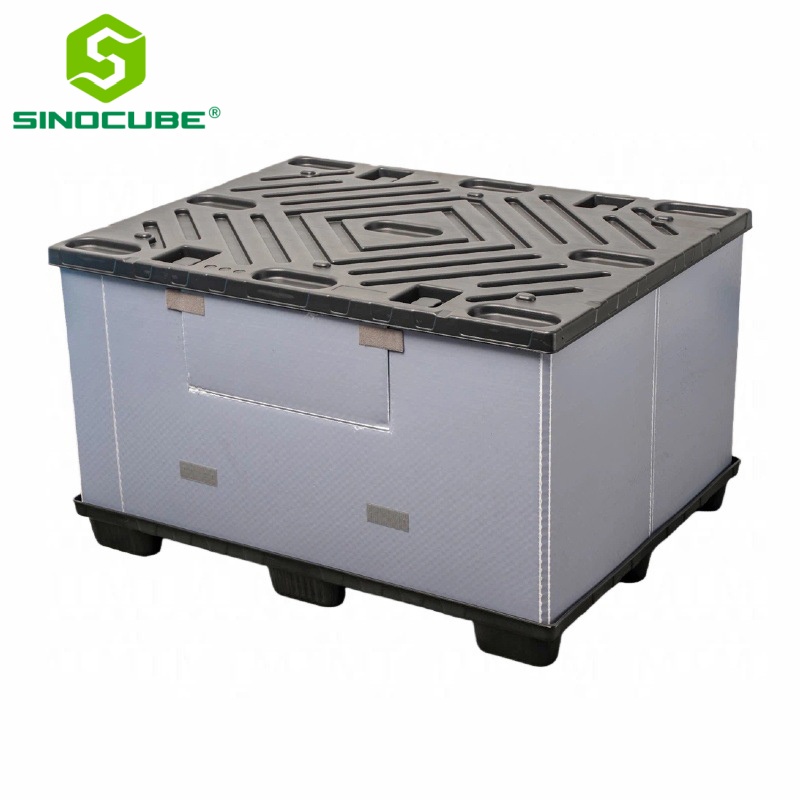
The material composition and construction quality of gaylord boxes fundamentally impact their durability, stackability, and total cost of ownership. Premium options typically feature multi-wall corrugated cardboard with higher basis weights, reinforced corners, and superior adhesive systems. Understanding bulk cardboard container dimensions and pallet bulk box weight capacity empowers buyers to select packaging that aligns precisely with their inventory, shipping, and storage requirements without waste or compromise.
Material Grade and Construction Quality
Multi-Wall Corrugation Systems
High-quality gaylord boxes utilize advanced multi-wall corrugated structures that deliver exceptional strength-to-weight ratios. Premium-grade corrugated cardboard typically features flute profiles optimized for impact resistance and vertical crush strength. The adhesive systems binding these walls together must remain stable across temperature and humidity fluctuations, preventing delamination during storage or transit. Standard packaging frequently relies on thinner single or double-wall construction, which cannot withstand the compression loads encountered when gaylord boxes are stacked four or five high on pallets. This fundamental difference in material engineering directly influences the product protection capability and longevity of bulk cardboard containers.
Reinforcement Elements and Edge Protection
Premium gaylord boxes incorporate reinforced corner posts, edge guards, and base reinforcement strips that extend product lifespan significantly. These reinforcements absorb impact stress at vulnerable junction points where cardboard corrugation is most likely to crush or tear. Used gaylord containers for sale often show wear patterns concentrated at corners and base edges, highlighting how these elements receive the greatest mechanical stress during handling and stacking. Standard packaging omits these reinforcements to reduce material costs, resulting in premature failure, product contamination, or loss during high-volume logistics operations. The presence of quality reinforcement distinguishes packaging designed for professional supply chains from generic alternatives.
Dimensional Specifications and Weight Capacity
Standardized Bulk Cardboard Container Dimensions
Premium gaylord boxes adhere to precise dimensional standards that optimize pallet utilization, warehouse racking compatibility, and automated material handling systems. Bulk cardboard container dimensions must accommodate standard pallet footprints, typically 40 by 48 inches or 1200 by 1000 millimeters, to maximize storage density and transport efficiency. High-quality manufacturers maintain tight tolerances within 0.5 inch variation across height, width, and depth measurements. This precision ensures predictable stacking, prevents crushing of sidewalls, and enables seamless integration with conveyor systems and robotic handling equipment. Standard packaging often exhibits greater dimensional variation, creating alignment problems, instability during stacking, and inefficient warehouse space utilization.
Pallet Bulk Box Weight Capacity Performance
The pallet bulk box weight capacity of premium gaylord boxes is rigorously tested and certified, typically ranging from 1,500 to 2,500 pounds when stacked four high. This capacity reflects the combined load from the product, the box itself, and the weight of overlying boxes during multi-tiered stacking arrangements. Premium-grade gaylord boxes maintain structural integrity throughout this load cycle, preventing base crushing, sidewall deflection, or corner panel separation. Standard packaging frequently achieves only 800 to 1,200 pounds per box weight capacity, forcing operators to limit stacking height or use multiple smaller containers to achieve the same inventory density. This capacity limitation increases handling frequency, labor costs, transportation expenses, and overall supply chain inefficiency. Manufacturers of high-quality bulk containers conduct drop tests, compression testing, and climate chamber evaluations to verify that pallet bulk box weight capacity remains reliable across real-world conditions.
Durability and Reusability Economics
Used Gaylord Containers for Sale and Lifecycle Management
The secondary market for used gaylord containers for sale reflects the durability advantage of premium options over standard packaging. High-quality gaylord boxes retain structural integrity after multiple handling cycles, making them valuable in refurbishment and resale channels. Used gaylord containers for sale typically command prices of $5 to $15 per unit depending on condition and material composition, creating recovery value for initial purchasers. Premium boxes designed for durability often serve 5 to 10 business cycles before becoming unsuitable for reuse, whereas standard packaging frequently fails after 1 to 2 cycles. This economic reality demonstrates that total cost of ownership for premium gaylord boxes is substantially lower than single-use standard alternatives, even accounting for higher initial purchase prices. Buyers prioritizing sustainability and cost efficiency increasingly prefer durable, reusable options over disposable packaging.
Environmental and Compliance Advantages
Premium gaylord boxes manufactured from virgin or recycled corrugated materials support corporate sustainability commitments and regulatory compliance across export and domestic markets. High-quality construction enables repeated recovery, sorting, and recycling at end-of-life, supporting circular economy principles. Standard packaging, due to structural failure and contamination during transit, often becomes landfill waste rather than recyclable material. Procurement teams evaluating gaylord boxes must consider environmental impact and compliance with regulations governing hazardous material containment, food contact surfaces, and international shipping standards. Premium manufacturers typically provide certified documentation confirming material composition, recyclability rates, and compliance with customer-specific requirements. This transparency and accountability distinguish professional-grade gaylord boxes from mass-produced standard alternatives that lack traceability.
FAQ
What distinguishes premium gaylord boxes from economy options?
Premium gaylord boxes feature multi-wall corrugation, reinforced corners, precise bulk cardboard container dimensions, and higher pallet bulk box weight capacity compared to standard alternatives. Superior adhesive systems, quality control testing, and manufacturing tolerances ensure consistent performance across extended product lifecycles and demanding handling environments.
How does pallet bulk box weight capacity affect my operations?
Pallet bulk box weight capacity determines stacking height limits and inventory density per warehouse location. Premium containers supporting 1,500 to 2,500 pounds enable efficient four-high stacking, reducing handling frequency and labor costs. Standard options limited to 800 to 1,200 pounds capacity require shorter stacks or additional containers, increasing transportation requirements and supply chain expenses.
Are used gaylord containers for sale a cost-effective option?
Used gaylord containers for sale offer significant cost savings when sourcing premium-grade units that retain structural integrity after refurbishment. High-quality gaylord boxes maintain usability for multiple business cycles, making secondary market options economically attractive for budget-conscious operations. Verify condition, dimensions, and weight capacity compliance before purchasing used containers to ensure suitability for your specific application requirements.