 EN


Modern supply chains demand intelligent solutions that balance cost, sustainability, and operational efficiency. A pallet pack container represents a transformative approach to returnable packaging that addresses these pressures head-on. By consolidating products into durable, reusable units designed for pallet-based logistics, organizations can dramatically reduce packaging waste, lower transportation costs, and streamline warehouse operations. This article explores how pallet pack containers deliver measurable efficiency gains across modern supply chains.
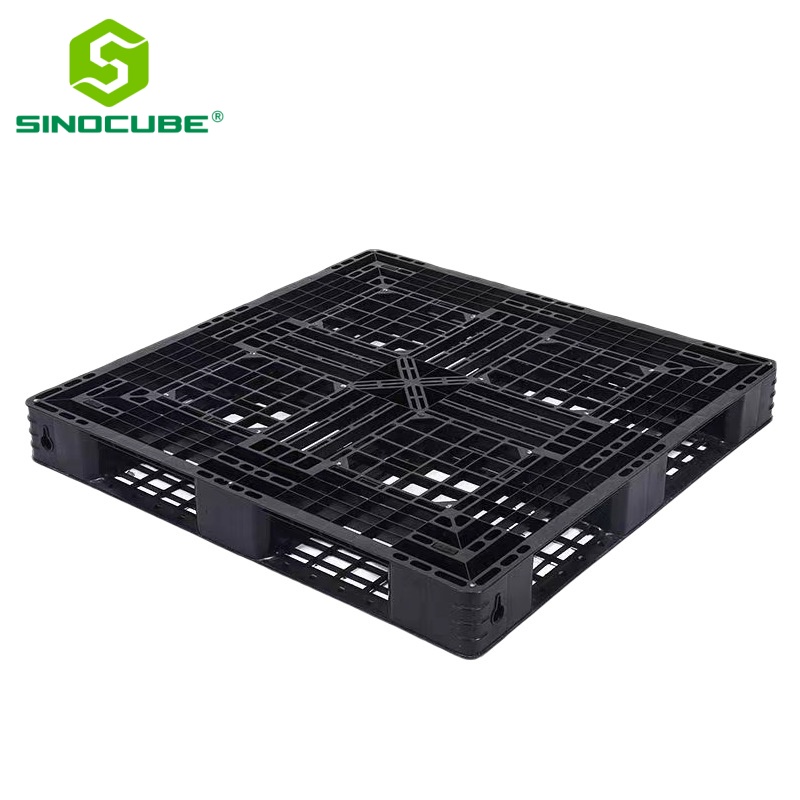
Returnable packaging has evolved from a niche sustainability practice to a core supply chain strategy. Companies across food, beverage, automotive, and retail sectors increasingly recognize that traditional single-use packaging creates hidden costs beyond material expense. A bulk shipping container on pallet solutions eliminates repeated purchasing cycles and reduces landfill burden while maintaining product protection and traceability. The pallet pack container model transforms how organizations think about packaging as an asset rather than an expense.
Core Design and Structural Advantages
Stackable Pallet Container Dimensions for Maximum Efficiency
The physical design of stackable pallet container dimensions directly impacts warehouse footprint and transportation economics. Industry-standard pallet pack containers typically nest or stack to occupy minimal space when empty, then expand to full capacity when loaded. Containers designed to align with standard pallet dimensions (48 inches by 40 inches) ensure seamless integration with existing material handling equipment and warehouse racks. This dimensional precision eliminates wasted space in trucks, containers, and storage facilities, translating directly to reduced logistics costs per unit shipped.
When stackable pallet container dimensions are optimized for nesting, companies can return empty containers in the same vehicle that delivered full ones. This two-way logistics model cuts transportation expenses significantly compared to single-use packaging, which generates no reverse-flow revenue. The standardized approach also enables predictable inventory management and automated sorting in warehouse systems, further enhancing throughput and reducing labor overhead.
Weight Capacity and Load Security
Pallet container weight capacity directly determines product suitability and handling safety. Heavy-duty models engineered for returnable service often support 500 to 1,200 kilograms per unit, allowing consolidation of dense products into fewer containers. Higher pallet container weight capacity reduces the total number of shipments required, lowering fuel consumption, warehouse space demands, and handling labor. A single high-capacity container replaces multiple lighter alternatives, simplifying tracking and reducing complexity in supply chain systems.
Structural integrity under repeated loading cycles defines long-term cost performance. Containers rated for hundreds of reuse cycles maintain their pallet container weight capacity and dimensional stability far longer than single-use alternatives. This durability transforms the total cost of ownership, making the upfront investment recover within months rather than years for high-volume operations.
Returnable Logistics and Operational Integration
Bulk Shipping Container on Pallet Systems
A bulk shipping container on pallet approach consolidates multiple product units into one standardized platform, creating profound efficiency gains across the entire supply chain network. Rather than managing dozens of different packaging formats, operators deal with uniform containers that fit any pallet-based workflow. This standardization reduces errors in picking, packing, and loading operations while accelerating throughput in both forward and reverse logistics channels.
The closed-loop model inherent to bulk shipping container on pallet systems generates additional strategic benefits. When containers return to the origin facility automatically as part of scheduled pickups, companies establish predictable asset visibility and reduce shrinkage. Compared to open-loop systems where packaging is dispersed or lost, returnable containers create accountability and enable sophisticated asset tracking that feeds inventory optimization algorithms.
Integration with Warehouse Management Systems
Modern pallet pack container systems integrate seamlessly with warehouse management software, barcode tracking, and RFID systems. Each container receives a unique identifier, allowing real-time visibility across the supply chain from packing through return. This data transparency enables companies to balance container supply against demand, predict when rebalancing shipments are needed, and optimize empty container routing to minimize deadheading. The result is a self-regulating logistics network that adapts to demand fluctuations without requiring manual intervention.
Automated tracking also supports compliance and quality auditing. Food and pharmaceutical shipments benefit from complete chain-of-custody records that demonstrate proper handling and storage conditions throughout the container's journey. This traceability reduces liability exposure and strengthens relationships with regulatory bodies and end customers.
Economic and Environmental Impact
Cost Reduction Through Asset Reuse
The financial case for pallet pack container adoption becomes compelling when calculating total cost of ownership over multi-year periods. Organizations purchasing single-use packaging continuously incur material costs, often without capturing any residual value. Returnable containers, by contrast, spread their acquisition cost across hundreds of cycles, dramatically lowering per-unit packaging expense. For companies shipping high volumes, the payback period for pallet container weight capacity investment typically ranges from six to eighteen months.
Beyond direct packaging cost, returnable systems reduce secondary expenses. Smaller logistics footprints cut facility rental costs. Simplified handling procedures lower labor requirements. Fewer packaging material procurement cycles reduce administrative overhead and working capital tied up in inventory. When these multiplier effects compound across an entire supply chain network, total savings often reach 20 to 40 percent compared to single-use alternatives.
Environmental Sustainability and Brand Value
Sustainability has shifted from corporate virtue signaling to competitive necessity. Consumers and supply chain partners increasingly evaluate companies based on environmental impact. Pallet pack container systems demonstrate measurable commitment to waste reduction by eliminating hundreds of tons of packaging material annually. This environmental advantage translates directly into brand differentiation, customer preference, and improved market positioning.
Beyond consumer perception, regulatory pressure is intensifying. Extended producer responsibility regulations, plastic bans, and sustainability mandates are spreading globally. Organizations deploying returnable packaging solutions position themselves ahead of compliance requirements and avoid future retrofit costs. The pallet pack container approach becomes not just a cost-saving measure but a strategic hedge against regulatory uncertainty.
FAQ
What makes stackable pallet container dimensions superior to traditional packaging formats?
Stackable pallet container dimensions align with standard material handling equipment and warehouse infrastructure, eliminating wasted space and enabling efficient nesting when empty. This design reduces transportation volume, warehouse footprint, and handling labor compared to irregular packaging formats. The standardized approach also integrates seamlessly with automated systems, further enhancing operational efficiency and reducing error rates throughout the supply chain.
How does pallet container weight capacity influence total logistics cost?
Higher pallet container weight capacity allows consolidation of more product into fewer containers, reducing the total number of shipments, transportation fuel consumption, and warehouse handling operations. Containers rated for 1,000 kilograms or more eliminate multiple lighter shipments, lowering per-unit logistics expense. This consolidation effect becomes especially valuable for high-volume operations where every small per-unit saving multiplies across millions of annual units shipped.
How quickly do bulk shipping container on pallet systems achieve return on investment?
For high-volume operations, payback typically occurs within 6 to 18 months when comparing total cost of ownership between returnable pallet pack containers and single-use alternatives. The financial timeline depends on shipping volume, packaging material costs in your region, and logistics network density. Organizations with dense regional networks and consistent high-volume shipments often see payback within 6 to 12 months, while lower-volume operations may require 18 to 24 months to break even.