 EN

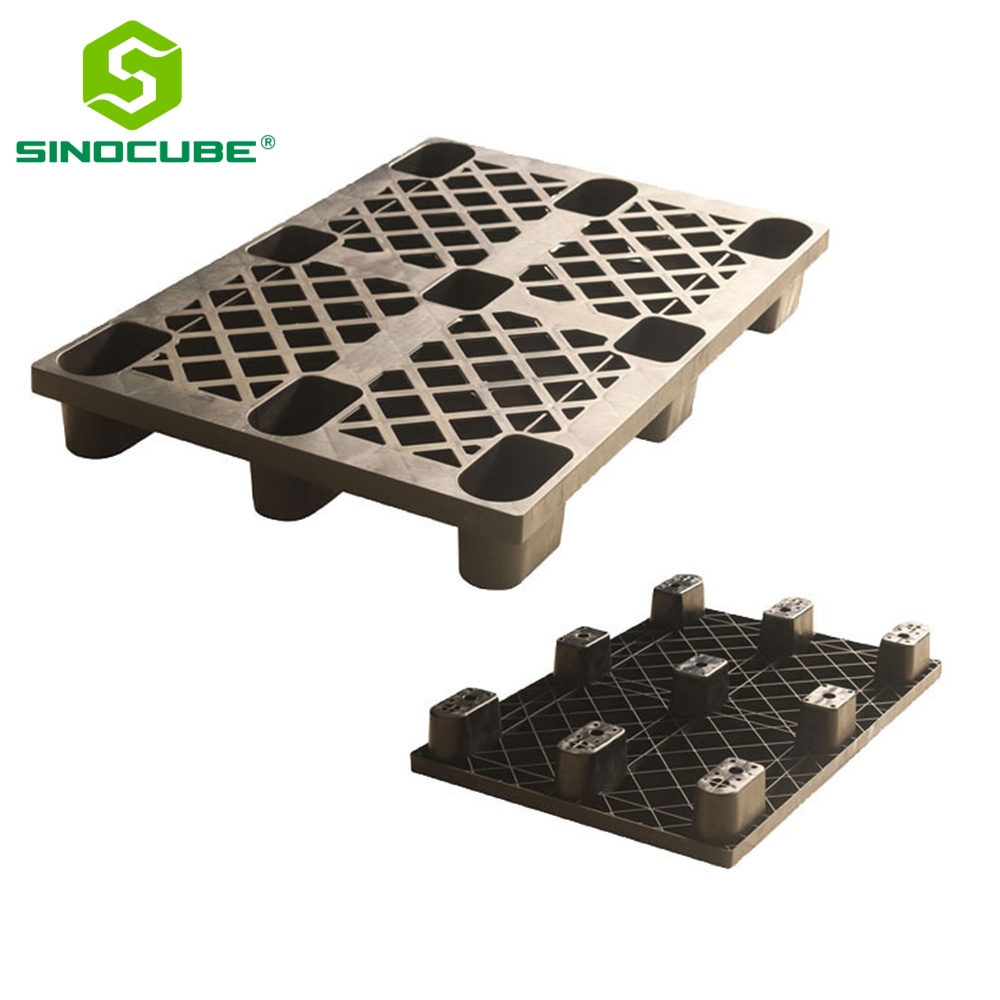
The global supply chain depends on reliable packaging solutions that protect products while minimizing costs and environmental impact. A pallet pack container has become the backbone of modern export and industrial packaging operations worldwide. These versatile containers streamline logistics, reduce damage rates, and offer exceptional value across diverse industries and markets.
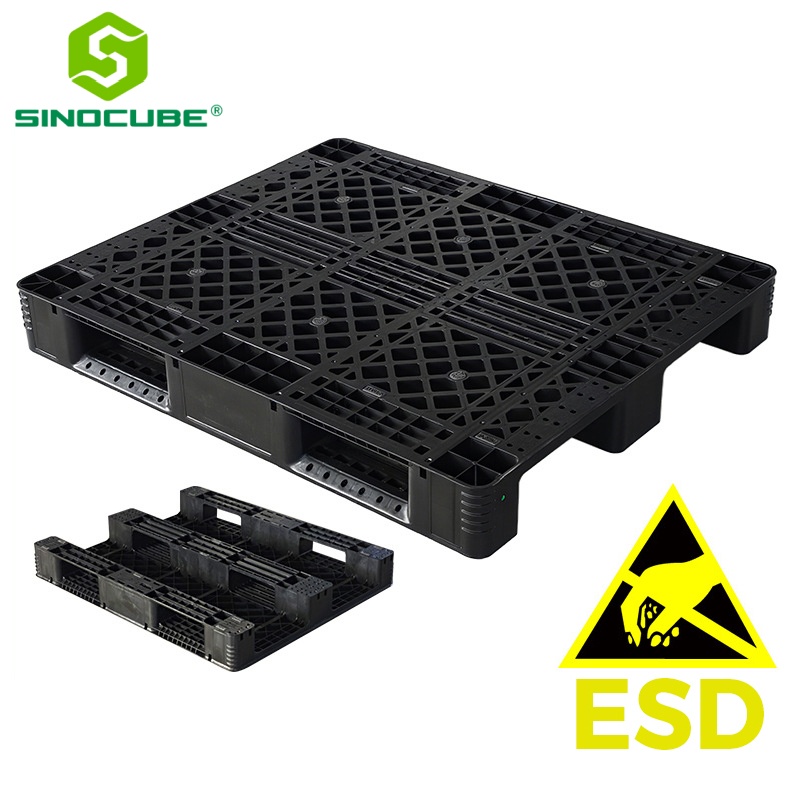
Exporters and manufacturers increasingly rely on bulk pallet packaging solutions to meet growing demand while staying competitive. The adoption of stackable pallet container dimensions has transformed warehouse efficiency and transportation economics. Understanding why pallet pack container weight capacity matters helps businesses make informed decisions about packaging infrastructure investments.
Efficiency and Cost Savings in Global Trade
Streamlining Logistics Operations
Modern export operations depend on packaging that maximizes space utilization without compromising product safety. Bulk pallet packaging solutions enable companies to consolidate shipments efficiently, reducing per-unit transportation costs significantly. When products are standardized to specific stackable pallet container dimensions, warehouses operate with predictable workflows, reducing handling time and labor expenses. This operational efficiency translates directly to improved profit margins for exporters managing high-volume orders.
The standardization of pallet pack container weight capacity across supply chains creates compatibility with existing logistics infrastructure. Forklifts, conveyor systems, and racking solutions are engineered around standard container specifications. This compatibility eliminates costly equipment modifications and reduces downtime during transitions between suppliers or product lines. Businesses that standardize their packaging dimensions experience faster inventory turnover and more reliable delivery schedules.
Reducing Damage and Product Loss
Export shipments face multiple handling points across continents, creating substantial risk of product damage. Bulk pallet packaging solutions with reinforced construction protect goods during long transit and multiple transfers. A well-designed pallet pack container provides impact resistance, moisture protection, and structural integrity under stacked weight. These protective features directly reduce product loss, insurance claims, and customer returns.
The stackable pallet container dimensions engineered into modern designs distribute weight evenly, preventing compression damage to sensitive products. Products ranging from automotive components to pharmaceuticals benefit from this standardized protection. When companies invest in quality containers with proven pallet pack container weight capacity, they reduce their total cost of ownership despite higher upfront container costs.
Sustainability and Environmental Advantages
Reusable Packaging Systems
Environmental regulations and customer expectations increasingly demand sustainable packaging solutions in international trade. Reusable bulk pallet packaging solutions eliminate single-use waste while reducing packaging material consumption significantly. A durable pallet pack container built from high-quality plastic or composite materials can complete dozens of supply cycles before requiring replacement. This circular approach aligns with corporate sustainability goals while delivering measurable cost reductions over time.
The standardized stackable pallet container dimensions encourage cross-industry reuse and secondary-market value. Containers that fail to serve their original purpose can be redistributed to other industries or buyers, extending useful life. Companies participating in container pooling networks leverage bulk pallet packaging solutions as shared assets, multiplying the environmental and economic benefits across multiple supply chains.
Reducing Carbon Footprint
Lightweight, stackable designs directly reduce fuel consumption during transportation and storage. When pallet pack container weight capacity is optimized alongside minimal tare weight, shipments require less energy to move across oceans and continents. Nestable or collapsible designs further reduce empty return trips, a significant source of logistics emissions. Over thousands of shipments annually, these efficiency gains create measurable reductions in carbon output.
Industry Applications and Market Demand
Manufacturing and Automotive Sectors
The automotive industry relies heavily on bulk pallet packaging solutions to manage just-in-time inventory across global supply chains. Engine components, fasteners, and electrical systems require consistent protection and organization during storage and transit. Standardized stackable pallet container dimensions enable seamless integration with assembly line workflows, reducing material handling complexity. Manufacturers consistently specify pallet pack container weight capacity that accommodates high-density parts without damaging components during international distribution.
Food, Beverage, and Pharmaceutical Export
Regulated industries like pharmaceuticals and specialty foods demand rigorous container specifications to ensure product integrity and compliance. A pallet pack container meeting strict hygiene and temperature stability requirements protects inventory value across climate variations. Bulk pallet packaging solutions designed for temperature control preserve product efficacy and extend shelf life. The pallet pack container weight capacity must accommodate liquid or dense products while preventing structural failure under stacked configurations common in cold storage facilities.
Food exporters benefit from containers designed to resist moisture, contamination, and insect penetration during long-haul shipments. Stackable pallet container dimensions that align with retail distribution standards ensure seamless handoffs from warehouses to store shelves. These applications demonstrate why reliable bulk pallet packaging solutions remain mission-critical infrastructure for industries with regulatory compliance requirements.
FAQ
What pallet pack container weight capacity do I need for my products?
Your required pallet pack container weight capacity depends on product density, stacking height, and storage duration. Calculate total load weight including container tare, then multiply by a safety factor of 1.5 to 2.0. Consult with packaging engineers to verify that stackable pallet container dimensions accommodate your specific application without exceeding structural limits.
How do bulk pallet packaging solutions reduce total shipping costs?
Bulk pallet packaging solutions optimize space utilization, reduce package damage, and enable longer container life cycles. Standardized stackable pallet container dimensions minimize wasted space and dimensional weight charges imposed by carriers. Reusable containers eliminate per-shipment packaging material costs after initial capital investment recovers.
Are stackable pallet container dimensions standardized internationally?
Major standards like ISO and regional specifications define common stackable pallet container dimensions, though variations exist. Most bulk pallet packaging solutions align with 1200x1000mm or 1200x800mm base dimensions to match standard pallets. Always verify that your specific pallet pack container weight capacity and dimensions comply with regulations in destination markets and match your supply chain infrastructure.