 EN
EN

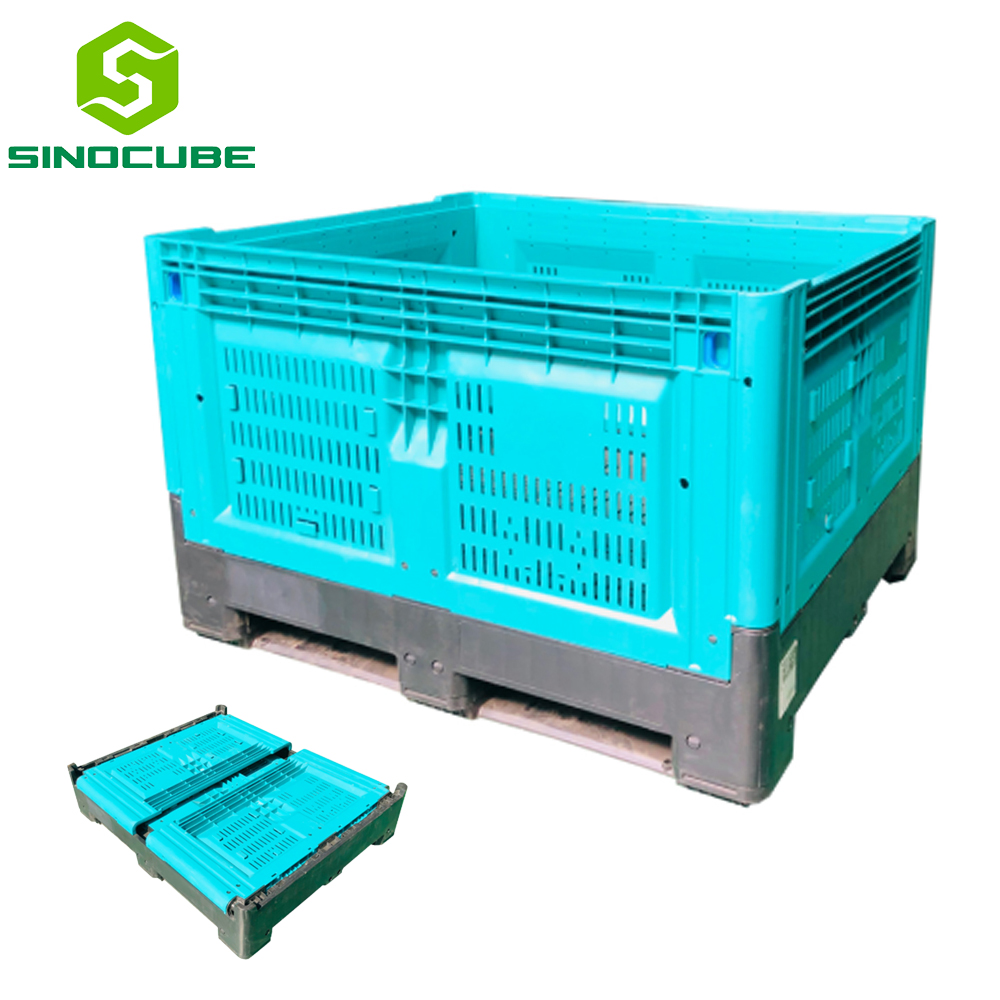
Selecting the right plastic bins for industrial storage and material handling represents a critical operational decision that directly impacts workflow efficiency, safety, and cost management. Organizations across manufacturing, logistics, and distribution sectors rely on plastic bins to organize inventory, streamline picking and packing processes, and optimize warehouse space utilization. However, not all plastic bins perform equally under different operational demands, environmental conditions, and handling scenarios. Understanding which plastic bins are best suited for your specific industrial application requires evaluating material composition, structural durability, dimensional compatibility, and long-term performance characteristics.

The industrial sector demands plastic bins that balance strength, cost-effectiveness, and sustainability while meeting rigorous handling requirements. Whether you manage a high-volume distribution center, a manufacturing floor with complex inventory needs, or a retail logistics operation, choosing appropriate plastic bins determines whether your material handling processes remain efficient, compliant, and economically viable. This guide explores the key selection criteria that distinguish superior plastic bins from standard alternatives and helps you match specific bin types to your operational requirements.
Material Composition and Durability Standards
Polypropylene versus High-Density Polyethylene
Plastic bins manufactured from polypropylene and high-density polyethylene represent the most common material choices for industrial applications. Polypropylene plastic bins offer superior temperature resistance, making them ideal for environments where thermal stability matters or where bins encounter temperature fluctuations. High-density polyethylene plastic bins provide exceptional impact resistance and flexibility, performing well in cold storage environments or applications involving frequent mechanical stress. Understanding these material differences helps you select plastic bins that match your facility's temperature ranges and handling intensities.
Impact Resistance and Load-Bearing Capacity
Industrial plastic bins must withstand regular stacking, forklift handling, and dynamic warehouse movements without structural failure or warping. Premium plastic bins feature reinforced sidewalls and optimized rib designs that distribute loads evenly across the container structure. Testing plastic bins under worst-case scenarios reveals which designs maintain integrity when stacked eight to ten containers high or when loaded near maximum weight limits. Plastic bins with inadequate structural engineering compromise both safety and inventory security, leading to product damage and operational delays.
Stackability and Space Optimization
Nesting and Collapsible Design Features
Space efficiency fundamentally determines warehouse economics, and plastic bins designed for collapsibility or nesting dramatically reduce storage footprint during return logistics cycles. Collapsible plastic bins fold flat when empty, reducing transport volume by up to seventy percent compared to rigid alternatives, while nesting plastic bins interlock and stack compactly. Organizations operating reverse logistics networks find that collapsible plastic bins reduce transportation costs and environmental impact by enabling full truck utilization on both forward and return journeys. Evaluating whether your operation benefits from collapsible versus rigid plastic bins depends on your storage constraints and return logistics frequency.
Stacking Interlocks and Weight Distribution
Properly engineered plastic bins incorporate interlocking features that prevent lateral movement and shifting during transport or stacking operations. Premium plastic bins maintain alignment under dynamic conditions, preventing toppling and product spillage in fast-moving logistics environments. Plastic bins with optimized base footprints and corner geometry distribute concentrated loads more effectively than poorly designed alternatives, reducing stress on lower containers and extending operational lifespan. This design consideration particularly matters for operations handling items with irregular shapes or weights that create uneven load distribution across plastic bins.
Hygiene, Compliance, and Industry-Specific Requirements
FDA and Food-Grade Plastic Bins
Facilities handling food products, pharmaceuticals, or medical devices require plastic bins that meet specific regulatory standards and hygiene requirements. Food-grade plastic bins typically incorporate antimicrobial additives and smooth interior surfaces that resist bacterial colonization and simplify cleaning protocols. Selecting appropriate plastic bins for regulated industries involves verifying FDA compliance documentation and understanding how material composition affects product safety. Non-compliant plastic bins create significant regulatory and liability risks that far exceed any initial cost savings from budget alternatives.
Chemical Resistance and Environmental Performance
Industrial environments expose plastic bins to oils, solvents, cleaning agents, and temperature extremes that degrade inferior materials. Specialized plastic bins formulated for chemical resistance maintain structural integrity and prevent material degradation over extended operational lifecycles. Organizations storing corrosive materials, solvents, or aggressive chemicals must select plastic bins specifically engineered for chemical compatibility, as standard plastic bins may leach chemicals or fail prematurely under exposure. Environmental performance also matters increasingly to organizations committed to sustainability goals, making recycled-content plastic bins an attractive option for environmentally conscious operations.
Ergonomics and Operator Safety Considerations
Handle Design and Accessibility Features
Well-designed handles on plastic bins significantly reduce worker fatigue, injuries, and operational delays during picking, packing, and material movement. Ergonomic plastic bins incorporate handles positioned for comfortable grip regardless of bin height or weight, reducing repetitive strain injuries common in high-volume operations. Interior handholds and accessible edges make plastic bins easier to manipulate in tight warehouse racks or during rapid material transfers. Operators working with poorly designed plastic bins experience increased fatigue and reduced productivity, offsetting any cost advantages from budget-friendly alternatives.
Visibility and Labeling Compatibility
Industrial plastic bins must accommodate labeling systems, barcode placement, and color-coding schemes that enable rapid inventory identification and sorting. Transparent or translucent plastic bins allow visual contents verification without opening containers, accelerating inventory management and reducing search time. Durable surface finishes on plastic bins support permanent labeling adhesion and survive repeated cleaning cycles without label degradation. Premium plastic bins incorporate designed labeling zones that optimize barcode scanner readability and minimize scanning errors in automated warehouse environments.
Cost Analysis and Total Cost of Ownership
Capital Investment versus Operational Longevity
Initial purchase price represents only one component of plastic bins' total cost of ownership. Durable plastic bins engineered for industrial environments maintain performance over thousands of handling cycles, ultimately delivering lower per-use cost than cheaper alternatives that require frequent replacement. Organizations calculating true economic value compare plastic bins across expected operational lifespan, damage rates, maintenance requirements, and residual value rather than focusing solely on unit purchase price. Investing in premium plastic bins typically generates favorable return on investment within twelve to twenty-four months for high-volume operations.
Maintenance Requirements and Replacement Economics
Different plastic bins require varying maintenance intensity and experience different failure rates under identical operational conditions. Selecting robust plastic bins with proven durability records reduces unplanned replacement expenses and inventory disruption from bin failures. Organizations managing large plastic bins fleets benefit from purchasing durable options that minimize maintenance downtime and extend useful life. Tracking plastic bins failure rates and maintenance costs over time reveals which designs deliver superior long-term economics for your specific operational environment.
FAQ
What specific features distinguish premium plastic bins from standard alternatives?
Premium plastic bins feature reinforced structural designs with optimized rib geometry, superior material composition that resists impact and temperature extremes, and ergonomic handles positioned for worker safety. These plastic bins incorporate design elements that reduce failure rates, extend operational lifespan, and maintain performance under demanding warehouse conditions. Standard plastic bins often lack these engineering refinements, resulting in higher damage rates and shorter operational lifecycles despite lower initial purchase prices.
How do I calculate the true cost of plastic bins over their operational lifespan?
Calculate plastic bins total cost of ownership by dividing total capital investment plus maintenance and replacement costs by the expected number of handling cycles across the useful lifespan. For example, plastic bins costing $50 used for five years in daily operations with minimal replacement needs deliver lower per-cycle cost than cheaper plastic bins requiring frequent replacement. Document your organization's actual plastic bins failure rates, maintenance requirements, and replacement frequency to generate accurate economic comparisons specific to your operational environment.
Which industries benefit most from collapsible plastic bins versus rigid designs?
Organizations with active reverse logistics networks, including food distribution, pharmaceutical logistics, and e-commerce fulfillment, derive maximum value from collapsible plastic bins that reduce return transport costs. Rigid plastic bins work better for operations with minimal return logistics or permanent storage applications where space optimization during empty return cycles provides minimal benefit. Evaluate your specific logistics network structure and return volume frequency to determine whether collapsible or rigid plastic bins deliver superior economic performance for your operations.