 EN
EN

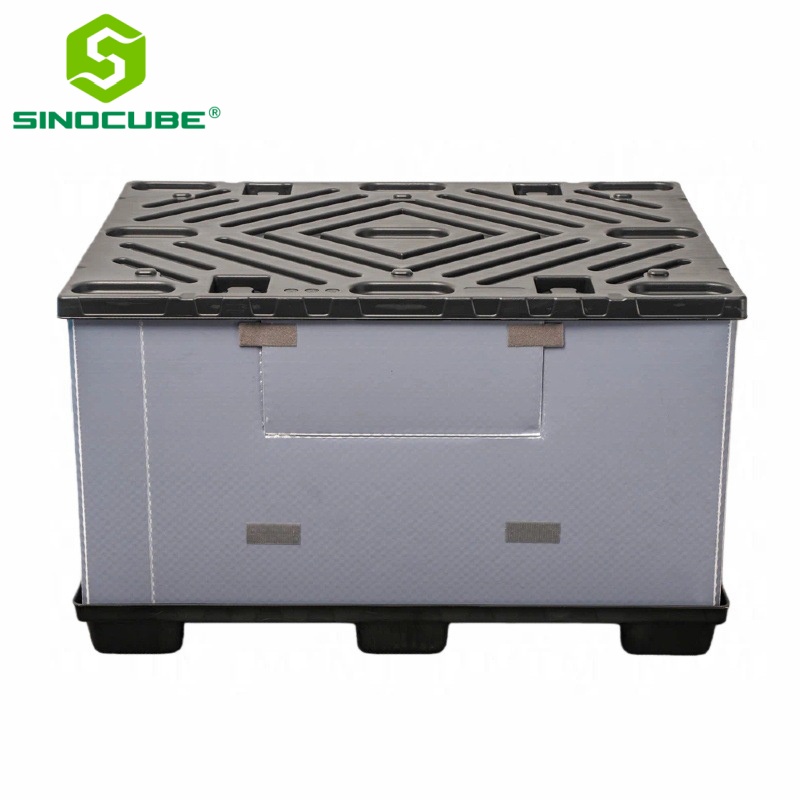
Warehouse efficiency depends on countless operational decisions, yet few elements have as direct an impact on daily performance as the choice of storage solutions. Plastic bins represent one of the most practical and cost-effective investments that warehouse managers can make to transform their operations. These versatile containers form the backbone of modern inventory management systems, enabling teams to maximize space utilization, reduce product damage, and accelerate picking and packing cycles. Understanding why plastic bins are essential reveals how they fundamentally reshape warehouse workflows and drive measurable improvements across multiple operational dimensions.

The value proposition of plastic bins extends far beyond simple containment. When warehouse operations rely on disorganized or inadequate storage methods, inefficiencies cascade throughout the supply chain, increasing labor costs, extending fulfillment timelines, and compromising accuracy. Plastic bins address these pain points by providing standardized, stackable, and durable solutions that align with lean warehouse principles. The transition to plastic bins marks a strategic shift toward data-driven inventory practices and systematic organization that modern logistics demands.
How Plastic Bins Improve Warehouse Organization
Standardization and Space Optimization
Plastic bins create uniformity across warehouse shelving systems, enabling predictable stacking and organized layouts that maximize vertical space. When storage lacks consistency, warehouses waste floor area, complicate inventory tracking, and increase the time required to locate items. Standardized plastic bins eliminate these issues by allowing systematic arrangement, clear labeling, and automated location scanning. This organizational structure directly improves labor productivity because warehouse staff can locate, retrieve, and move items with minimal confusion or wasted motion. Moreover, the consistent dimensions of plastic bins enable facilities to calculate exact storage capacity, optimize aisle widths, and implement automated retrieval systems that scale with business growth.
Visual Inventory Management
Transparent and translucent plastic bins provide immediate visibility into inventory levels without requiring manual physical counts or system checks. Warehouse teams can quickly assess stock status from the aisle, identify items requiring replenishment, and spot damaged or expired products before they reach customers. This visual transparency reduces inventory shrinkage, minimizes stockouts of critical materials, and enables faster decision-making during peak demand periods. Color-coded plastic bins further enhance organization by allowing teams to designate storage zones for different product categories, suppliers, or priority levels. The psychological impact of organized, clearly visible plastic bins also improves team morale and encourages employees to maintain order throughout their shifts.
Cost and Efficiency Benefits of Plastic Bins
Reduced Damage and Product Loss
Plastic bins protect stored items from environmental hazards, contamination, and handling damage that occurs in warehouses without proper containment. Metal or wooden alternatives either corrode, splinter, or require extensive maintenance, whereas plastic bins resist moisture, chemicals, and temperature fluctuations inherent to industrial environments. This durability directly reduces product replacement costs and warranty claims that impact profitability. Additionally, plastic bins designed with reinforced corners and bases prevent items from shifting during transport or stacking, which eliminates breakage that would otherwise occur with looser storage methods. Facilities that transition to plastic bins consistently report measurable reductions in damage-related losses within the first operational year.
Labor Efficiency and Error Reduction
Warehouse operations depend on rapid, accurate picking and packing, both activities where plastic bins deliver substantial time savings. Because plastic bins enable systematic organization, employees spend less time searching for items, verifying locations, and confirming inventory accuracy. The lightweight nature of plastic bins compared to metal alternatives reduces worker fatigue during repetitive lifting and moving tasks, which decreases injury rates and improves sustained productivity throughout shifts. Plastic bins also accommodate barcoding, RFID tagging, and digital labeling systems that integrate with warehouse management software, enabling real-time tracking and automated order fulfillment. These technological capabilities transform plastic bins from passive storage into active intelligence components of the broader logistics network.
Strategic Advantages for Long-Term Warehouse Operations
Scalability and Adaptability
Warehouse requirements evolve as businesses grow, seasons change, and product categories shift. Plastic bins offer unprecedented scalability because additional units can be quickly integrated into existing systems without requiring infrastructure modifications or specialized installation procedures. If a facility needs to accommodate seasonal inventory surges, modify storage configurations, or introduce new product lines, plastic bins adapt instantly. Unlike fixed shelving systems or specialized containers tied to specific product types, plastic bins provide flexibility that protects warehouse investments during periods of operational uncertainty. This adaptability becomes especially valuable for facilities serving multiple customer segments or managing diverse product portfolios where storage requirements vary significantly across departments.
Regulatory Compliance and Safety
Modern warehouses operate under strict regulatory frameworks governing safety, sanitation, and product traceability. Food-grade plastic bins meet FDA and international food safety standards, enabling facilities to store pharmaceuticals, food products, and sensitive materials without cross-contamination risk. Plastic bins designed for hazardous material storage incorporate safety features such as spill containment capabilities and chemical-resistant materials that prevent dangerous leaks or exposure. These regulatory-compliant plastic bins eliminate costly violations, reduce liability exposure, and ensure that products maintain integrity throughout storage periods. Facilities that prioritize regulatory compliance find that plastic bins simplify audit preparation and demonstrate organizational commitment to safety standards that customers and regulators expect.
FAQ
How do plastic bins compare to other warehouse storage methods?
Plastic bins outperform metal and wooden alternatives across multiple dimensions. Metal containers corrode in humid environments, require ongoing maintenance, and impose significant weight that increases labor costs and equipment wear. Wooden crates splinter, absorb moisture, and harbor contamination from previous shipments. Plastic bins resist corrosion, require minimal maintenance, reduce labor burden through lightweight design, and integrate seamlessly with modern warehouse management systems. The total cost of ownership for plastic bins typically proves lower than alternatives when accounting for maintenance, replacement, and labor efficiency gains over extended operational periods.
What size and quantity of plastic bins should a warehouse maintain?
The optimal plastic bin inventory depends on facility size, product variety, and fulfillment volume. A practical approach involves calculating peak storage capacity based on seasonal demand patterns, then adding thirty percent buffer stock to accommodate unexpected surges without compromising organization. Different product types may require varying plastic bin dimensions; facilities typically maintain three to five standard sizes that address ninety percent of storage needs. Consulting with logistics experts to analyze historical inventory data ensures that plastic bins are purchased in quantities that maximize space utilization and minimize excess capital tied to unnecessary containers. Regular audits help identify underutilized plastic bins that can be reallocated or redistributed across departments.
How do plastic bins integrate with warehouse management software?
Modern plastic bins support barcode labeling, RFID tagging, and QR code systems that connect directly to warehouse management platforms. When staff place items into plastic bins, scanning triggers automatic location registration, stock level updates, and inventory forecasting calculations. This integration eliminates manual data entry errors, enables real-time visibility into warehouse contents, and supports automated picking systems that reduce fulfillment times. Facilities implementing plastic bins with digital tracking report dramatic improvements in inventory accuracy, faster cycle times, and reduced shrinkage from untracked inventory movement. The combination of plastic bins and connected logistics software transforms warehouses from reactive storage facilities into proactive intelligence centers that drive competitive advantage.