 EN
EN

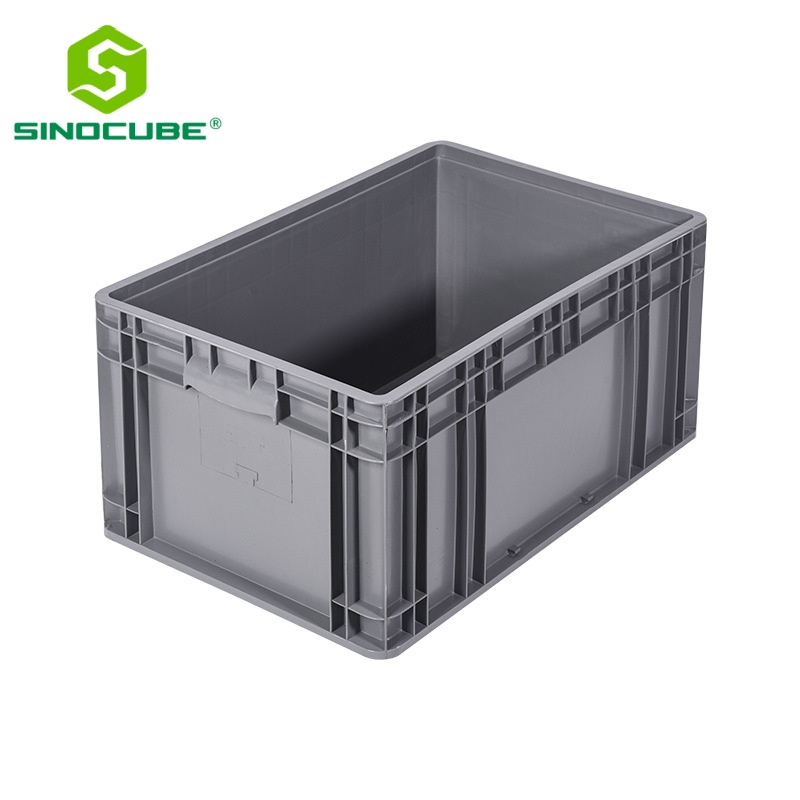
Plastic containers are essential assets in high-volume operations, serving as the backbone of logistics, warehousing, and manufacturing environments. Yet many facilities treat these plastic containers as disposable items rather than valuable equipment requiring regular maintenance and care. The reality is that proper maintenance of plastic containers can dramatically extend their service life, reduce operational costs, and improve overall supply chain efficiency. Organizations that implement systematic care protocols for plastic containers consistently report lower replacement rates and better asset utilization compared to those that neglect routine maintenance practices.

Understanding the fundamentals of plastic container maintenance starts with recognizing how environmental factors, handling practices, and chemical exposure impact container integrity. Plastic containers used in demanding industrial settings face constant wear from stacking, transport, temperature fluctuations, and exposure to various substances. Developing a comprehensive maintenance strategy for plastic containers prevents premature degradation and helps operations achieve maximum return on their container investments over time.
Implementing Routine Inspection Protocols for Plastic Containers
Establishing Regular Visual Assessments
Daily or weekly visual inspections form the foundation of effective plastic container maintenance in high-volume settings. Staff should systematically examine plastic containers for visible damage including cracks, warping, discoloration, or compromised hinges and handles. These inspections identify deteriorating plastic containers before they fail completely, preventing product damage or safety incidents. Documenting inspection findings creates accountability and helps track which plastic containers require immediate repair or replacement, enabling data-driven asset management decisions across your operations.
Creating Documentation Systems
Implementing structured documentation for plastic container condition tracking transforms maintenance from reactive to proactive. Assign unique identifiers to each plastic container or batch and maintain records of inspection dates, identified issues, maintenance actions taken, and performance metrics. This systematic approach to plastic container documentation reveals patterns such as which container types degrade fastest or which warehouse areas cause the most damage. Over time, these insights inform procurement decisions and help optimize the selection of plastic containers better suited to your specific operational demands and environmental conditions.
Cleaning and Chemical Management for Plastic Containers
Developing Proper Cleaning Protocols
Cleaning plastic containers properly prevents residue buildup that can compromise structural integrity and create hygiene issues. Use warm water and mild detergent for most cleaning applications involving plastic containers, avoiding harsh chemicals that can degrade plastic materials. For food-contact plastic containers, follow industry-specific sanitation standards and use approved food-safe cleaning solutions only. Allow plastic containers to air dry completely before returning them to service, as trapped moisture can lead to mold growth and material deterioration that compromises the containers' functionality and longevity.
Managing Chemical Exposure
Different plastic container formulations have varying resistance to chemicals commonly encountered in industrial environments. Understanding which chemicals your specific plastic containers can safely contact prevents damage that might otherwise go unnoticed until structural failure occurs. Establish clear protocols about which substances can and cannot be stored or transported in your plastic containers. When chemical exposure does occur, document it and inspect affected plastic containers more frequently to catch early signs of degradation. Some aggressive solvents and petroleum products can cause plastic containers to become brittle or develop stress cracks, making chemical awareness critical for extending container service life in chemical manufacturing or distribution operations.
Storage Techniques and Preventive Maintenance for Plastic Containers
Optimizing Storage Conditions
Environmental conditions significantly impact how long plastic containers maintain their structural properties and performance characteristics. Excessive heat can cause plastic containers to warp or lose their shape, especially when empty containers are stacked under weight. Store plastic containers in climate-controlled environments when possible, maintaining temperatures within manufacturers' recommended ranges. Protect plastic containers from direct sunlight and UV exposure, which gradually degrades plastic materials and causes discoloration or brittleness. When outdoor storage is unavoidable, cover plastic containers with tarps or store them in shaded areas to minimize UV damage and temperature extremes that accelerate material breakdown.
Implementing Preventive Maintenance Schedules
Scheduled maintenance for plastic containers includes regular lubrication of hinges and latches, ensuring handles remain securely attached, and reinforcing stress points before failure occurs. Periodically inspect the sealing mechanisms on plastic containers designed for liquid transport, replacing worn gaskets or seals before they fail completely. Establish a rotating maintenance schedule that addresses plastic containers systematically rather than addressing issues randomly as problems arise. This proactive approach to plastic container maintenance costs less than emergency repairs or replacements and prevents unexpected downtime. Some facilities implement annual deep cleaning and thorough inspection cycles for plastic containers, combining heavy-duty cleaning with comprehensive assessments that catch developing problems early and ensure containers remain fit for continued service.
FAQ
How often should plastic containers be inspected in high-volume operations?
Inspect plastic containers at least weekly in active high-volume operations, with daily checks for critical applications involving food or hazardous materials. High-velocity environments accelerate wear on plastic containers, making frequent inspection essential for catching damage before it impacts product integrity or causes safety issues. The specific inspection frequency for your plastic containers should reflect your operation's intensity, container age, and material type.
Can damaged plastic containers be repaired or should they always be replaced?
Many types of plastic container damage can be repaired effectively using specialized adhesives, patches, or replacement components like handles and latches. Minor cracks in plastic containers often respond well to professional repair, extending service life at a fraction of replacement costs. However, severe structural damage, compromised stacking integrity, or safety-critical deterioration in plastic containers typically requires replacement to maintain operational safety and prevent cascading failures in your supply chain.
What factors most influence plastic containers' longevity in industrial settings?
Environmental control, handling practices, chemical compatibility, and maintenance discipline represent the four primary factors affecting plastic container service life. Organizations prioritizing proper storage conditions, training staff on careful handling of plastic containers, limiting chemical exposure, and executing consistent maintenance routines see containers perform for many years longer than industry averages. The initial quality of plastic containers matters, but systematic maintenance practices often prove more influential in determining actual operational lifespan.