A Pallet: Essential Material Handling Solution

Contact me immediately if you encounter problems!

All Categories

Get a Free Quote

Our representative will contact you soon.
Email
Name
Company Name
Message
0/1000

a pallet

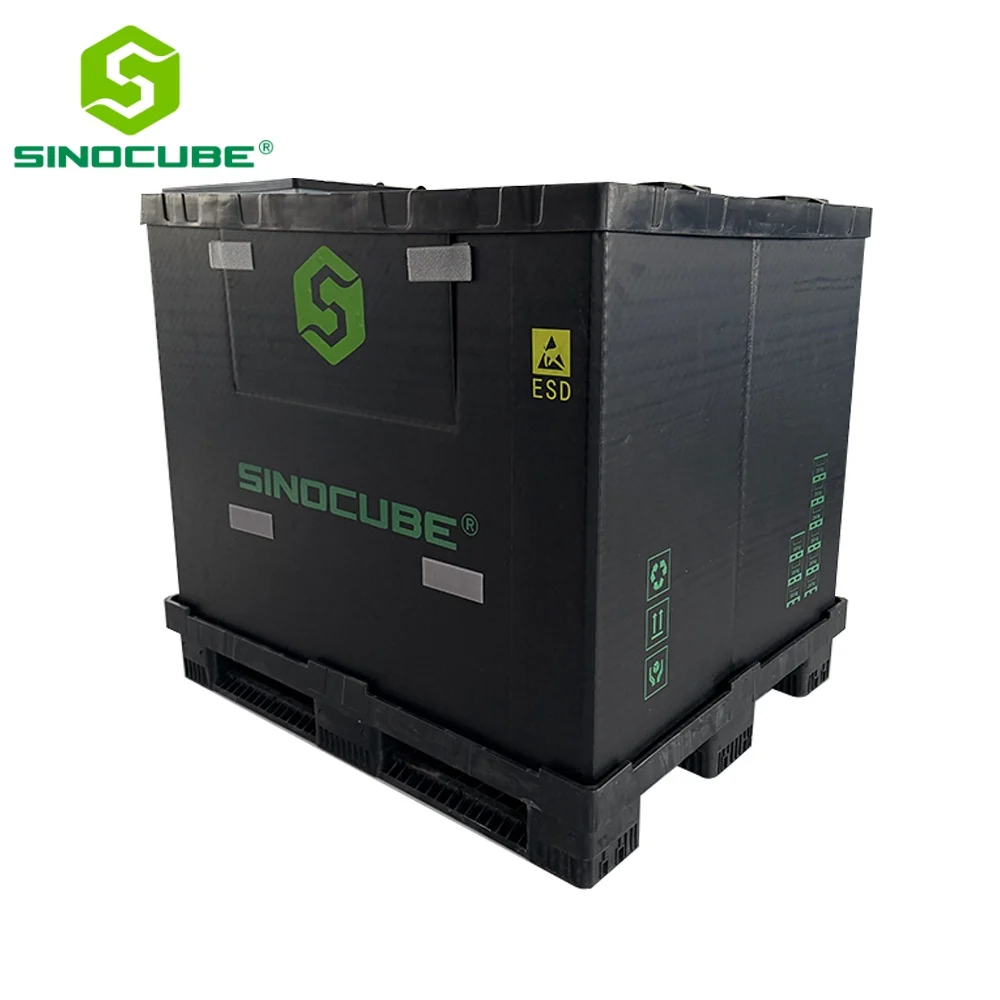
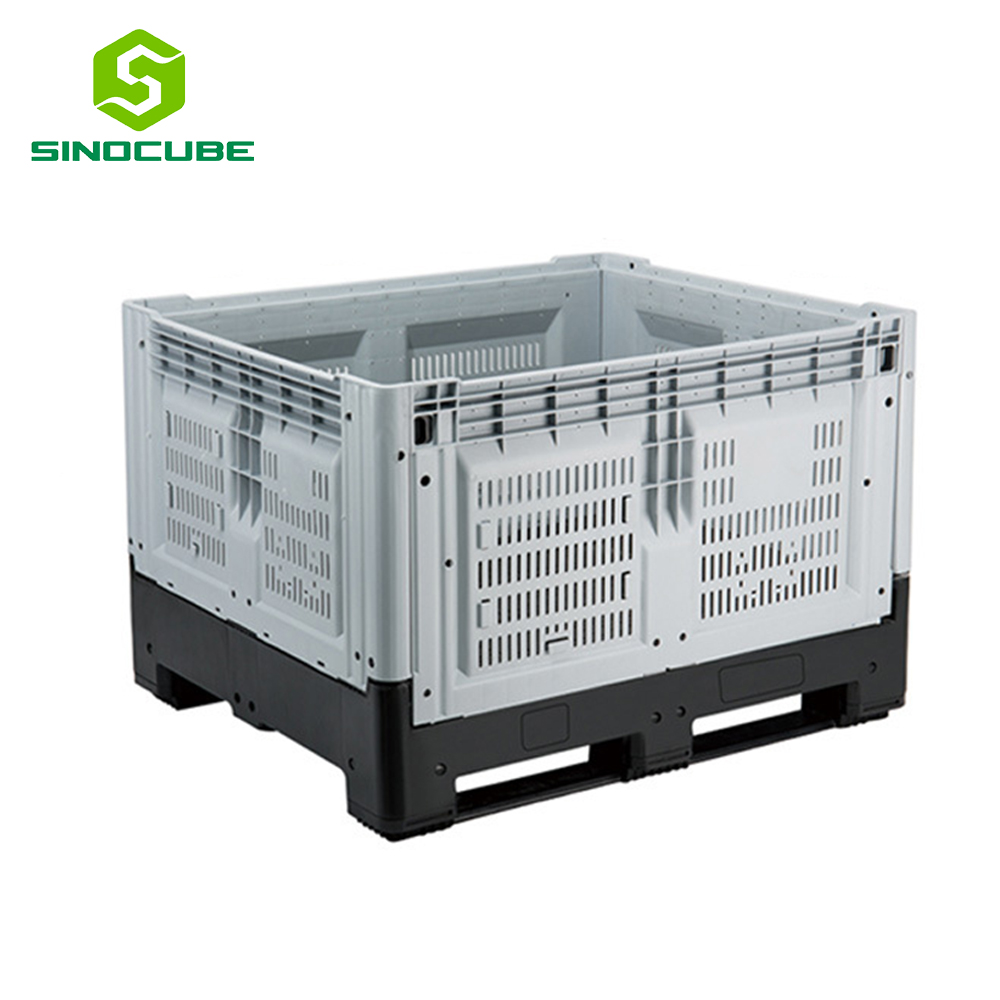
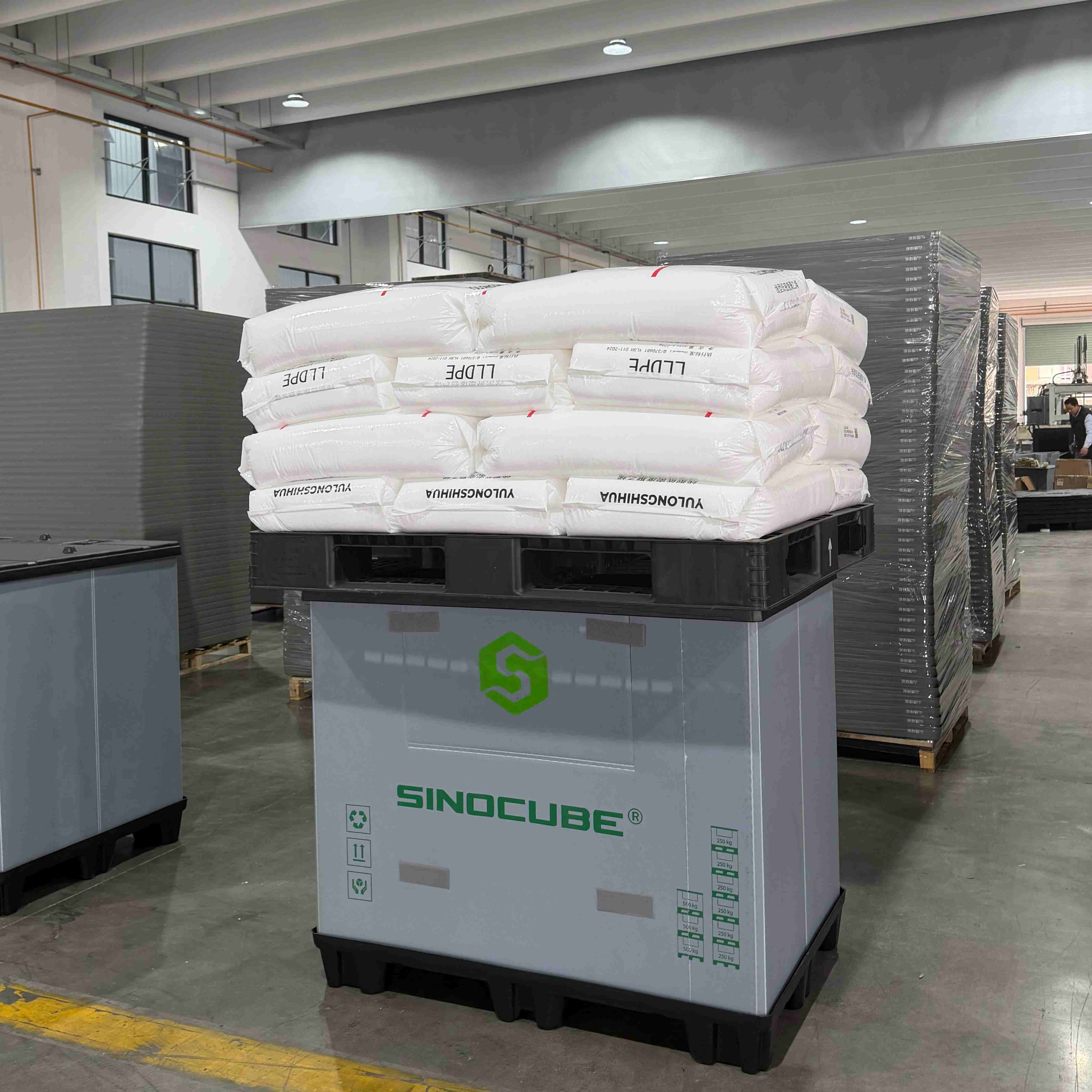
A pallet is a flat transport structure designed to support goods in a stable manner while being lifted by forklifts, pallet jacks, or other handling equipment. Constructed typically from wood, plastic, or metal, a pallet serves as the foundation of modern logistics and warehousing operations. The standardized design of a pallet enables efficient stacking, storage, and transportation of products across supply chains worldwide. A pallet typically features a top deck where goods rest, bottom deck for stability, and blocks or stringers that create openings for lifting equipment. The most common dimensions follow international standards, with the 48x40 inch size being prevalent in North America and the EUR pallet at 1200x800mm dominating European markets. A pallet plays a crucial role in protecting merchandise from ground moisture, contamination, and damage during handling. Beyond basic transport, a pallet facilitates inventory management by creating standardized load units that simplify counting, tracking, and storage calculations. Modern warehouse management systems rely on a pallet as the fundamental unit for space optimization and logistics planning. The versatility of a pallet extends across industries including food and beverage, pharmaceuticals, retail, manufacturing, and agriculture. Reusable and often recyclable, a pallet contributes to sustainable supply chain practices by reducing packaging waste and enabling circular economy models in material handling operations.
New Products

Investing in a pallet brings immediate cost savings to your material handling operations by reducing labor requirements and speeding up loading processes. A pallet allows workers to move hundreds of items simultaneously rather than individually, dramatically improving productivity and reducing physical strain on employees. This efficiency translates directly to lower operational costs and faster order fulfillment times. The standardized design of a pallet ensures compatibility with existing warehouse equipment, eliminating the need for specialized handling tools and training. Businesses benefit from maximized storage capacity since a pallet enables vertical stacking that utilizes warehouse height effectively, increasing space utilization by up to 40 percent compared to floor storage. A pallet protects your inventory investment by elevating products above potentially wet or dirty floors, reducing product damage and loss. The air circulation around palletized goods helps prevent moisture buildup and extends product shelf life, particularly important for food items and moisture-sensitive materials. Transportation costs decrease when using a pallet because standardized dimensions allow precise load planning in trucks and containers, maximizing vehicle capacity and reducing fuel consumption per unit shipped. A pallet simplifies inventory tracking and cycle counting processes, enabling faster stocktakes and more accurate inventory records. The durability of a pallet means repeated use over years, providing exceptional return on investment compared to single-use packaging. Businesses switching to palletized operations typically see workflow improvements within weeks, with better organization, faster throughput, and fewer workplace injuries. A pallet adapts to diverse industries and products, from heavy machinery to delicate consumer goods, making it a versatile solution that grows with your business needs.

Practical Tips

Why Plastic Pallets Outperform Wooden Ones in Logistics & Storage

13

Mar

Why Plastic Pallets Outperform Wooden Ones in Logistics & Storage

View More
PP Pallet Sleeve Box: Playing a Vital Role in Auto Parts Transportation

13

Mar

PP Pallet Sleeve Box: Playing a Vital Role in Auto Parts Transportation

View More
Why Attached Lid Containers Are the Ideal Choice for Storage & Logistics

13

Mar

Why Attached Lid Containers Are the Ideal Choice for Storage & Logistics

View More

Get a Free Quote

Our representative will contact you soon.
Email
Name
Company Name
Message
0/1000

a pallet

Enhanced Operational Efficiency and Speed

Enhanced Operational Efficiency and Speed

A pallet transforms material handling by enabling unit load management that accelerates every stage of your logistics chain. When products arrive on a pallet, receiving teams can unload entire truck contents in minutes rather than hours, immediately improving dock productivity and reducing vehicle dwell time. Warehouse operations benefit as a pallet allows forklift operators to relocate entire product groups in single movements, eliminating countless individual handling steps that consume time and labor. This consolidation effect means a single worker with equipment can accomplish what previously required multiple people, directly reducing your labor costs while increasing throughput. In picking operations, a pallet creates organized zones that simplify order fulfillment and reduce travel time within facilities. The standardized footprint of a pallet enables precise slotting strategies where fast-moving items occupy accessible positions, while slower inventory utilizes higher storage locations. Shipping departments load trucks faster when products arrive on a pallet, as entire units transfer directly into trailers without repackaging or manual stacking. This speed advantage compounds across multiple daily shipments, significantly increasing your facility's order capacity without infrastructure expansion.
Superior Product Protection and Quality Preservation

Superior Product Protection and Quality Preservation

A pallet provides essential protection that safeguards your valuable inventory from the moment products enter your facility until they reach final destinations. By elevating goods several inches above ground level, a pallet creates a protective barrier against floor moisture, standing water from cleaning operations, and debris that could contaminate or damage products. This elevation proves particularly critical in food handling facilities where sanitation standards require separation between products and floor surfaces. The structural design of a pallet distributes weight evenly, preventing bottom layer crushing that commonly damages goods in floor-stacked configurations. When products rest on a pallet, airflow circulates underneath and between stacked units, reducing humidity buildup that causes mold, corrosion, or packaging deterioration. Temperature-sensitive goods maintain quality longer when stored on a pallet because air circulation moderates temperature extremes and prevents condensation. During transportation, a pallet absorbs road vibrations and impacts that would otherwise transfer directly to products, functioning as a shock absorber that reduces transit damage. The secure stacking capability of a pallet means products remain stable during movement, preventing shifting and collision damage that occurs with loose loading methods. Businesses report significant reductions in damaged goods claims after implementing palletized handling systems.
Versatile Compatibility Across Supply Chain Partners

Versatile Compatibility Across Supply Chain Partners

A pallet delivers strategic business value through universal compatibility that seamlessly integrates your operations with suppliers, carriers, and customers throughout global supply chains. The widespread adoption of standardized pallet dimensions means your palletized shipments move effortlessly between different facilities, equipment types, and transportation modes without repackaging or special handling requirements. This compatibility eliminates costly transloading operations where products must be transferred between different load formats, saving both time and reducing damage risk during transitions. When you ship on a pallet, receiving facilities already possess the appropriate handling equipment and storage systems, ensuring smooth delivery acceptance and faster processing. Retailers and distributors specifically request palletized deliveries because a pallet integrates directly into their automated receiving and putaway systems, making your business a preferred supplier. Transportation providers offer better rates for palletized freight because a pallet enables efficient vehicle loading that maximizes cargo capacity and simplifies securing requirements. The modularity of a pallet supports mixed-product shipments where different items share transport while maintaining individual identity and handling integrity. International shipping becomes simpler with a pallet that meets globally recognized standards, reducing customs complications and facilitating cross-border commerce essential for business expansion.

Get a Free Quote

Our representative will contact you soon.
Email
Name
Company Name
Message
0/1000